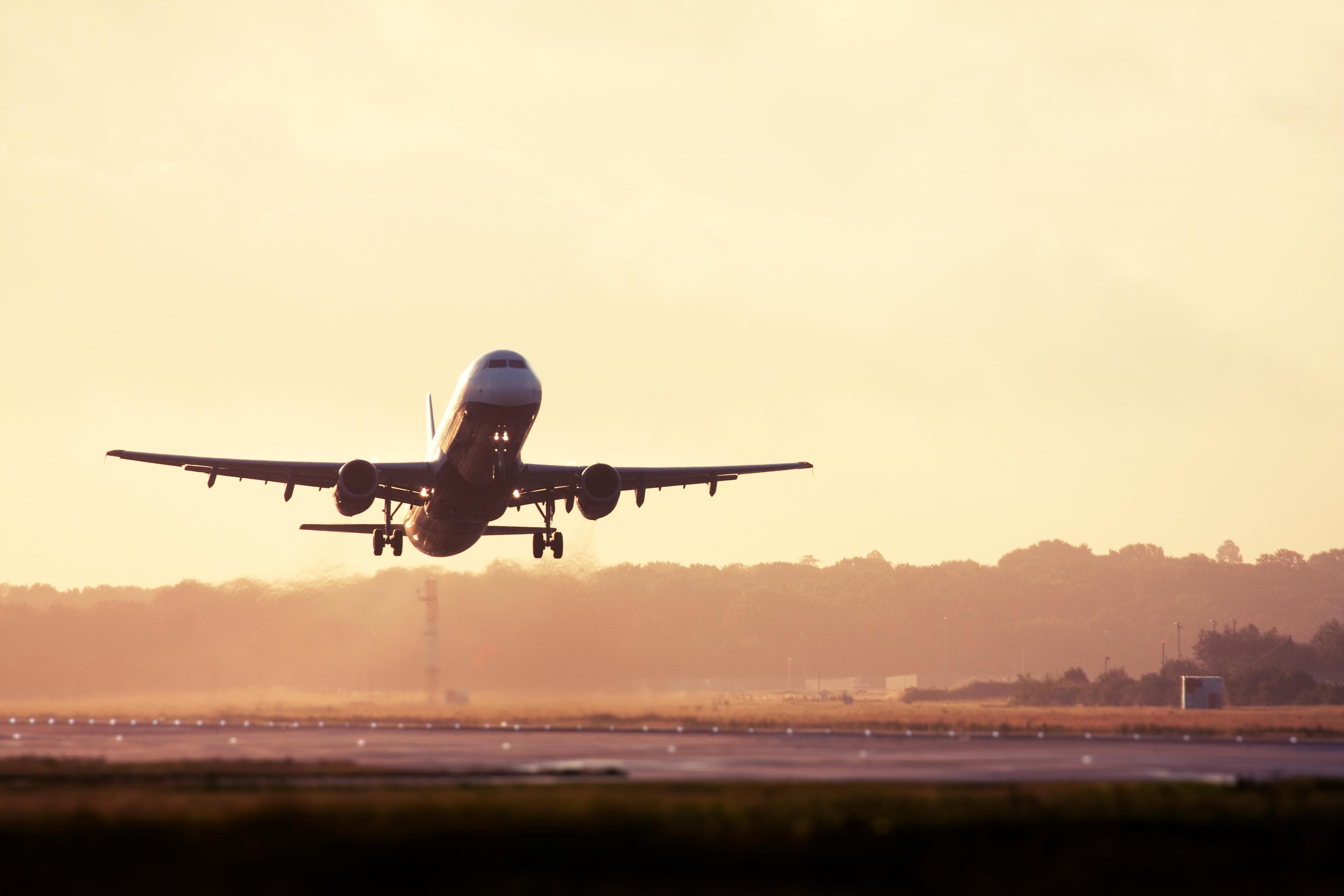
You know the feeling. The plane starts climbing, your ears get full and muffled like someone stuffed cotton in them, and then out of nowhere: pop.
It is uncomfortable and a little alarming the first time. Nothing is wrong with your ears. They are dealing with a pressure problem in the only way they know how.
Air Has Pressure
Air feels like nothing, but there is a whole column of it stacked above your head pressing down on you right now. At sea level that column is tall and heavy, so the pressure is high. Climb higher and there is less air above you, so the pressure drops.
A plane taking off is hauling you into thinner air. Landing brings you back into thick air. Cabins are pressurized so nobody passes out, but the pressure inside still shifts as you go up and down. Your ears absolutely notice.
Your Eardrum Feels the Difference
Your eardrum is a thin sheet of tissue stretched across your ear canal, and it vibrates when sound hits it. That is how hearing works. Now the important part: there is air on both sides of it. Outside air in the canal, and a sealed pocket of air behind it in your middle ear.
Everything feels normal when those two sides are balanced. But when the outside pressure drops fast, the air behind your eardrum has not caught up yet, so it pushes outward on the drum and stretches it. That stretch is the clogged, full, slightly awful feeling.
The Eustachian Tube Helps Fix It
Your body already has a fix installed. It is a narrow passage called the Eustachian tube, running from your middle ear down to the back of your throat. It sits closed most of the time. Swallow, yawn, or chew, and it flicks open for a second.
In that second, air rushes in or out and the two sides even up. That release is the pop. Your body just equalized the pressure and you felt it happen.
Why Landing Can Feel Worse Than Takeoff
Landing usually hurts more, and there is a reason. On the way down, cabin pressure climbs, so now the outside is pushing harder than the inside and your middle ear has to pull air in to keep up.
If your Eustachian tubes are being stubborn, your eardrums get pressed inward instead, and that pinch is genuinely painful. It is also why flying with a cold is miserable. A stuffy nose and throat means those tubes barely open at all.
Why Swallowing or Yawning Helps
Swallowing and yawning flex the muscles right next to those tubes, which is what pops them open. That is the entire reason chewing gum, sipping water, or forcing a yawn during takeoff and landing works. You are manually triggering a system your body usually runs on its own.
It is also why babies cry on planes. They feel the pressure, they have no idea what it is, and they cannot fix it on purpose. The crying moves their throat and mouth, which pops their ears anyway. They are solving the problem by accident.
The Big Idea
Your ears pop because air pressure changes faster than your middle ear can keep up. The eardrum takes the strain, and the Eustachian tubes even it back out.