STEM Activities, Projects & Guides for Kids
Project guides, workshop notes, and STEM explainers written for Avanza STEM students, families, and teachers.

Latest Articles
These guides come from activities we run in Avanza STEM workshops and questions families ask us often.
Light & Optics
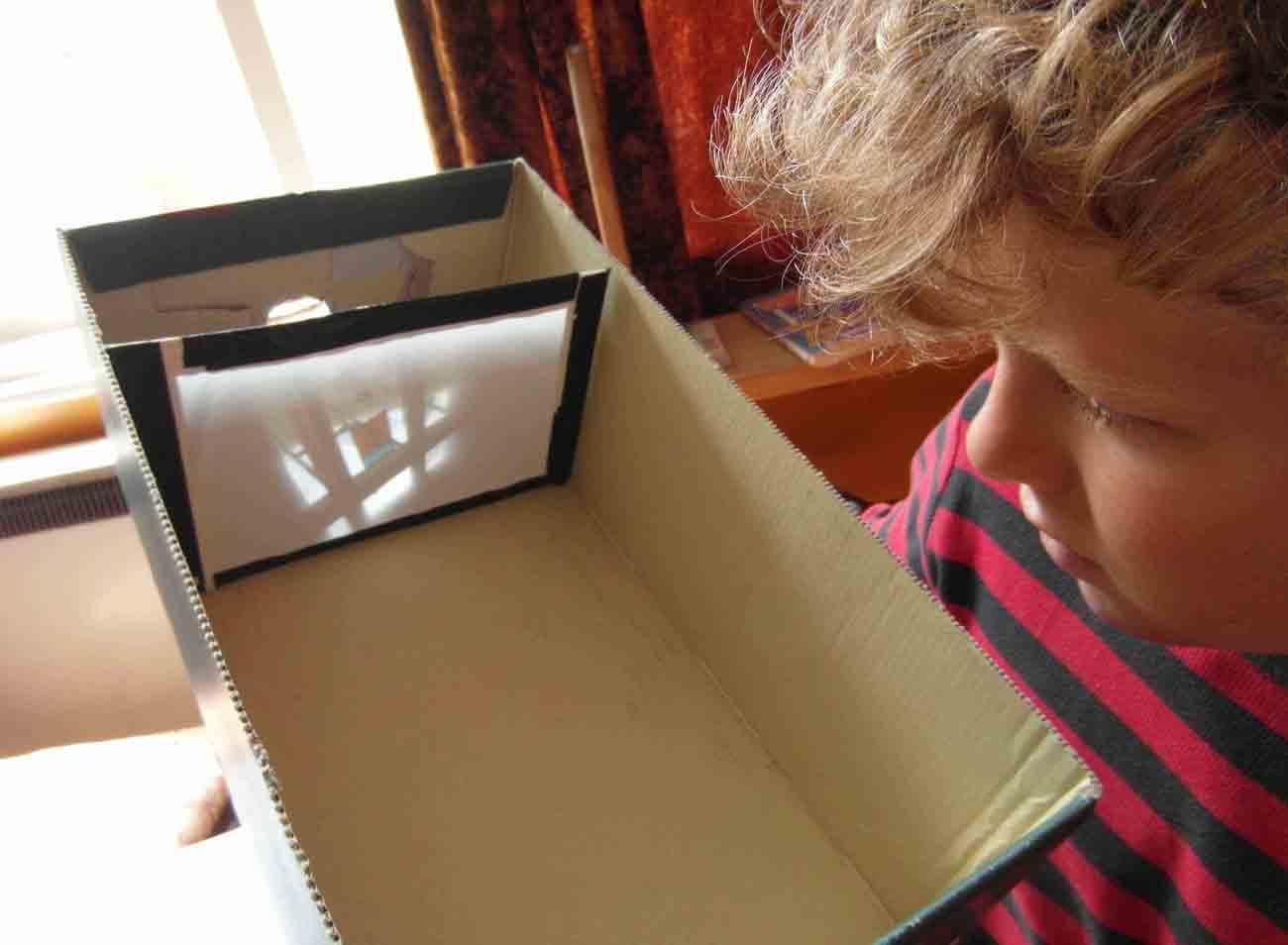
How Does a Camera Work Without a Lens?
A cardboard box with one pinhole makes a real, upside-down, full-color picture. Here is why, and why a smaller hole is sharper but darker.
Read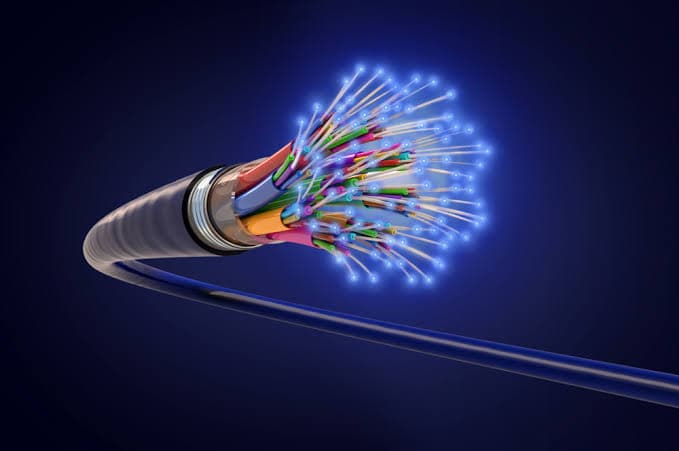
Light & Optics
How Do Fiber Optic Cables Work?
Light travels in straight lines, so how does it follow a cable across the ocean floor? It does not bend. It gets trapped.
Read
Light & Optics
How Do Scientists Know What Stars Are Made Of?
Nobody has been to a star. We know their ingredients anyway, because every element leaves its own pattern of lines in light.
Read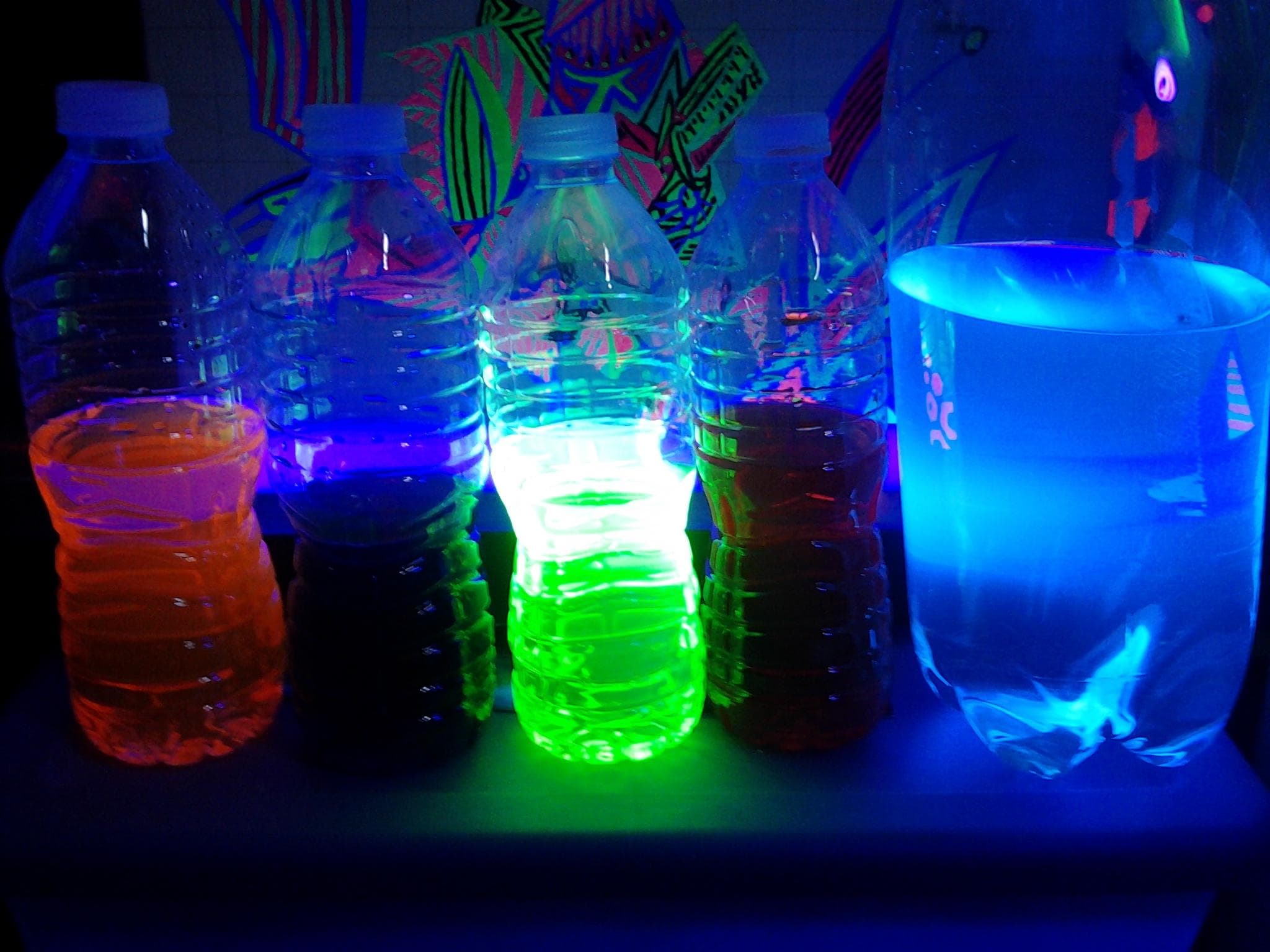
Light & Optics
Why Do Things Glow Under a Blacklight?
Tonic water and highlighters are not reflecting the lamp. They are absorbing light you cannot see and making new light of their own.
Read
Light & Optics
Is Light a Wave or a Particle?
It interferes like a wave and arrives like a particle. Two centuries of argument, and what you can and cannot see at home.
Read
Engineering
Why Do Buildings Sway in the Wind?
Tall buildings sway on purpose. Learn why a little flexibility makes skyscrapers safer and how giant dampers hidden inside reduce the motion.
Read
AI
How Do Video Games Use AI?
Enemies that chase you, characters that react, and games that get harder as you improve are all driven by behavior rules. Learn how game AI actually works.
Read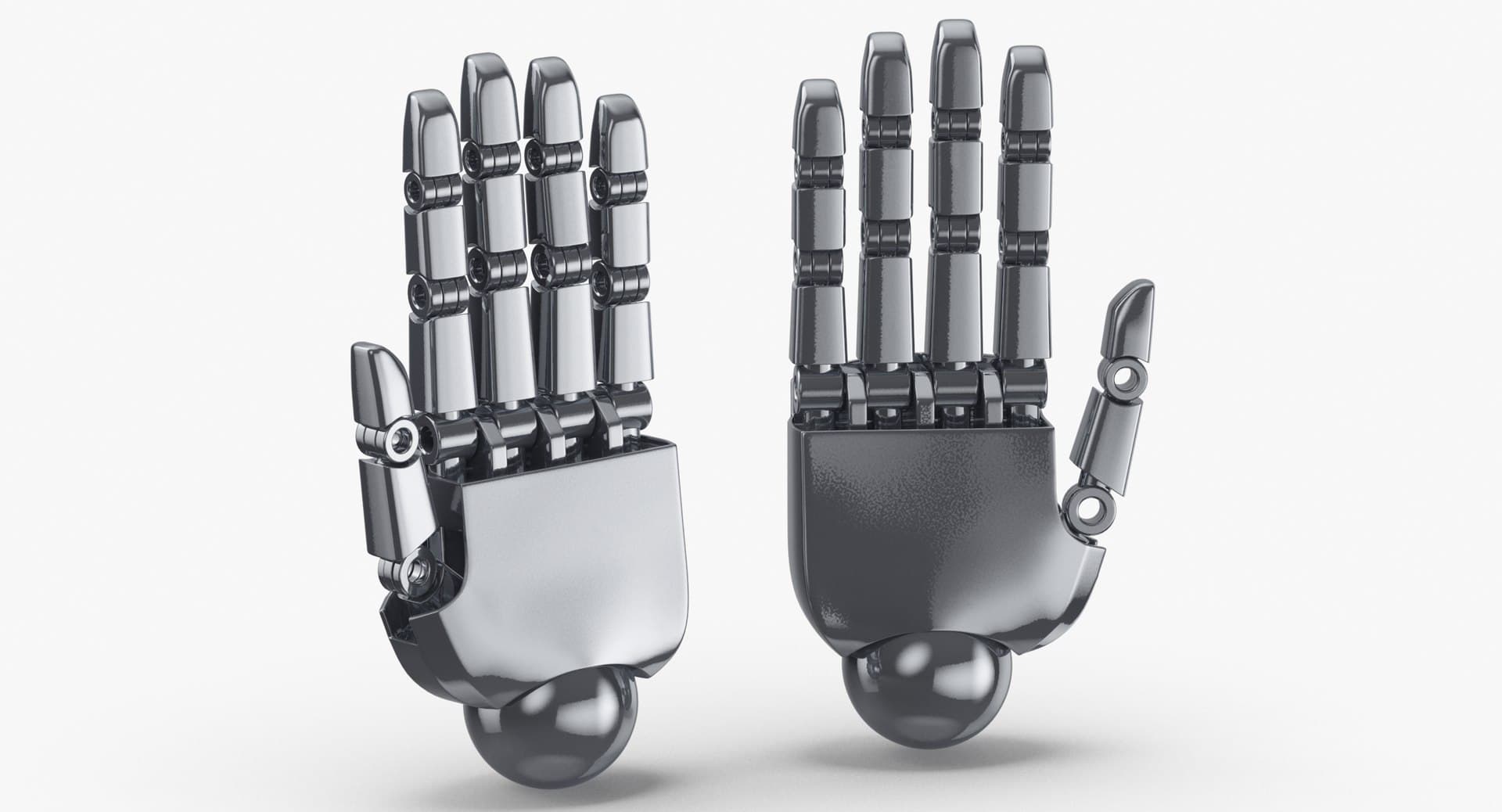
Robotics
Why Robot Hands Are So Hard to Make
Gripping different objects takes movement, strength, and touch all at once. Learn why robot hands are one of the most interesting challenges in robotics.
Read
Science
Why Is the Sky Blue but Sunsets Are Orange?
The sky looks blue during the day, but at sunset it can turn orange, pink, or red. The reason has to do with sunlight, air, and the way tiny particles scatter colors.
Read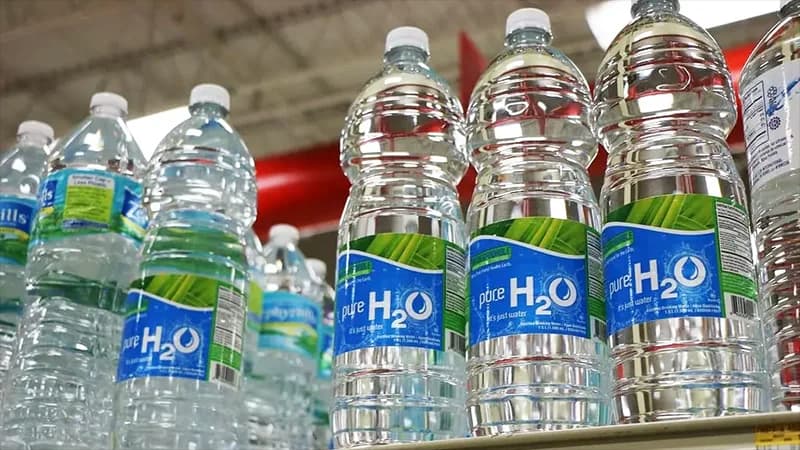
Engineering
The Hidden Engineering of a Water Bottle
Single-use plastic bottles are lightweight engineering marvels, but PET, cap friction, microplastics, and waste all come with trade-offs.
Read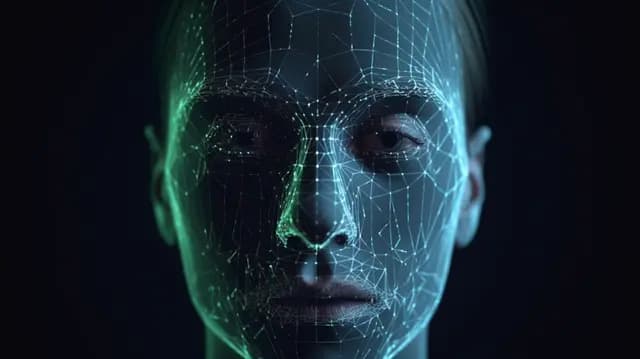
AI
How Does Your Phone Recognize Your Face?
Your phone does not know who you are. It matches face patterns. Learn how cameras, sensors, and machine learning work together behind face unlock.
Read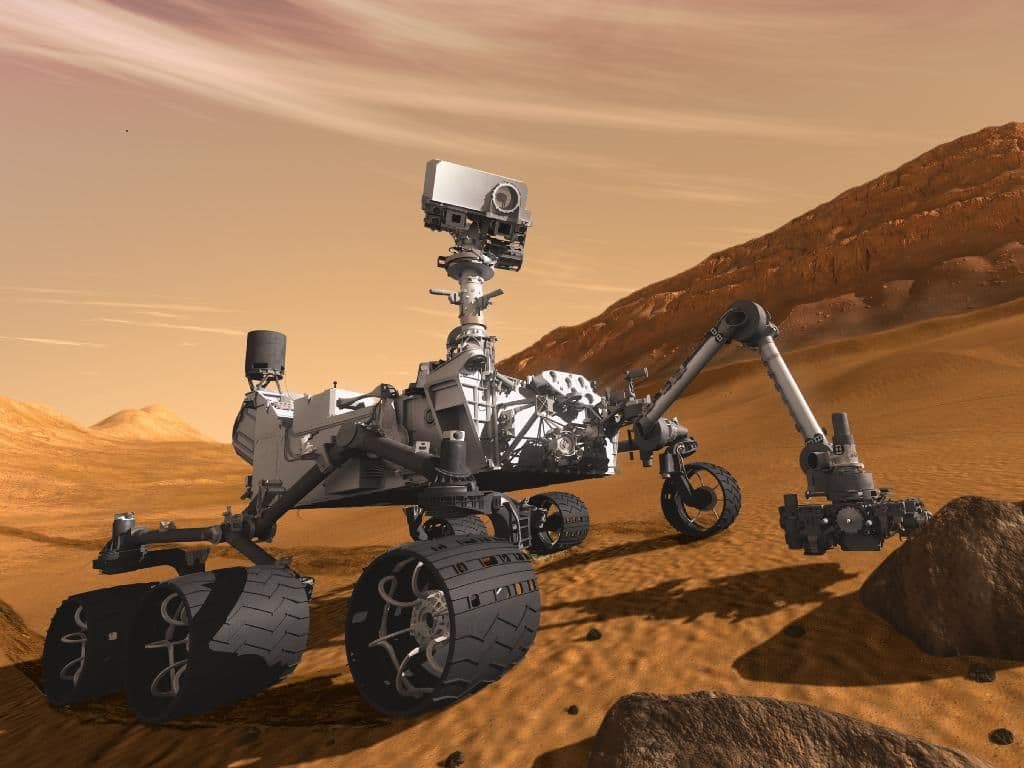
Robotics
How Mars Rovers Drive Without a Driver
Mars is too far away for remote control. Learn how rovers use cameras, wheels, instructions from Earth, and careful software to explore another planet.
Read
Science
Why Do Magnets Stick to Some Metals but Not Others?
Magnets stick to some metals because of how tiny magnetic regions inside the material line up. Not all metals have the right structure for this.
Read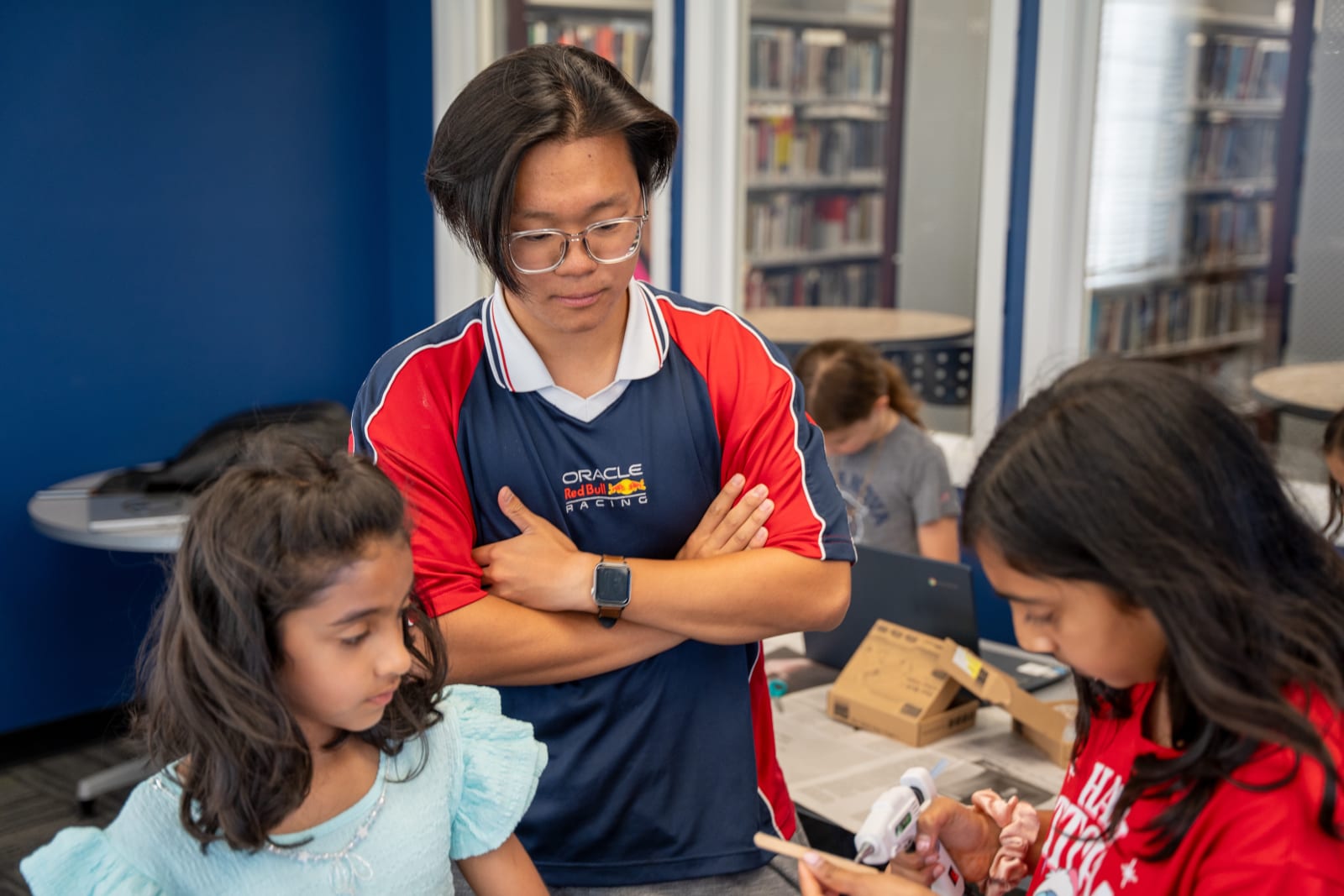
Community
What Makes a STEM Workshop Fun?
A look at how Avanza STEM designs sessions so students are building, testing, arguing, and figuring things out, not sitting quietly while someone explains.
Read
Engineering
Why Are Airplane Wings Curved?
Airplane wings are curved because shape controls airflow. Learn how the airfoil design creates lift and why the wings keep a plane in the sky.
Read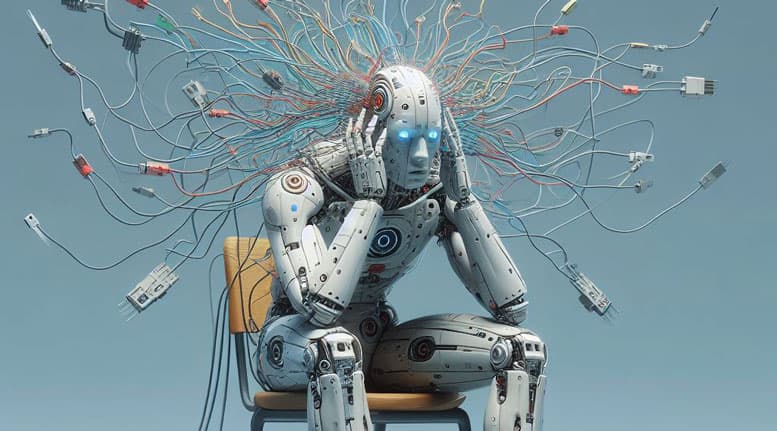
AI
Should Kids Trust Everything AI Says?
AI can be helpful and creative, but it can also be wrong. Learn how to think like a detective, what topics need extra care, and how to protect your privacy.
Read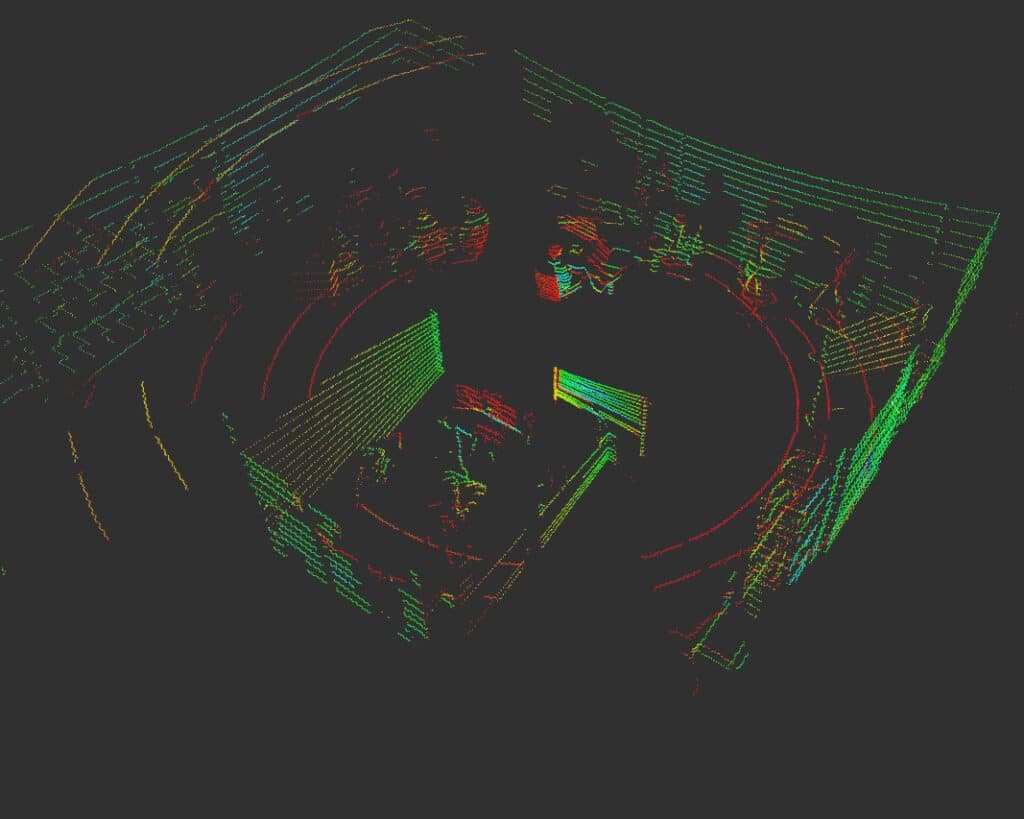
Robotics
How Do Robots Know Where They Are?
Robots use cameras, wheel sensors, GPS, and lidar to estimate their location. Learn how robots sense, map, and navigate the world, and why they still get lost.
Read
Science
Why Do Your Ears Pop on an Airplane?
Your ears pop on airplanes because the air pressure around you changes quickly. Your body has a small pressure-balancing system that helps fix it.
Read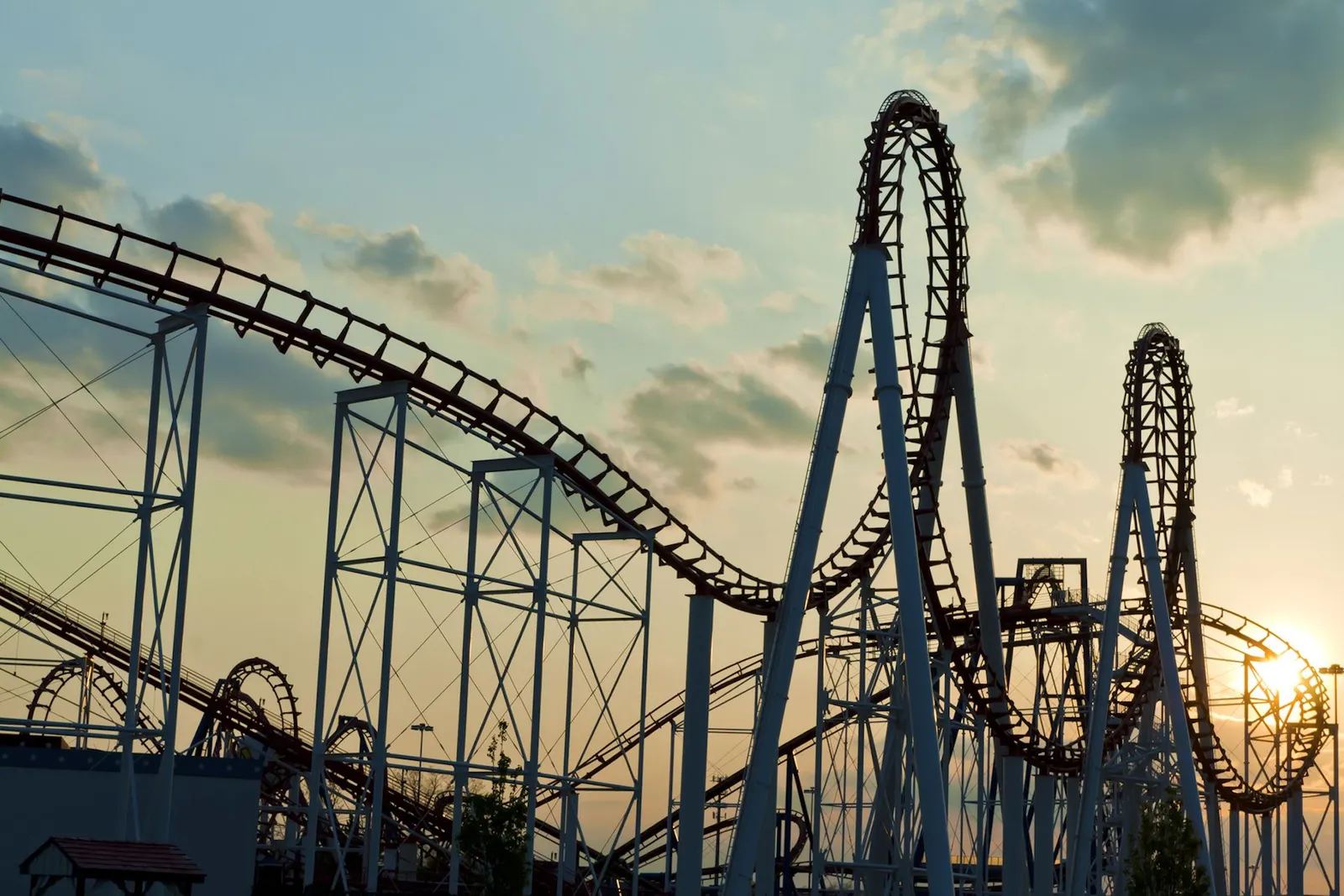
Engineering
How Roller Coasters Stay on the Track
Gravity, momentum, multi-sided wheel systems, and carefully shaped loops all work together to keep a roller coaster on the track, even upside down.
Read
AI
Can AI Actually Think?
AI can answer questions and write stories, but is it really thinking? Learn how AI uses pattern recognition and why that is different from how a human brain works.
Read
Science
Why Do Bikes Stay Balanced When Moving?
Bikes stay balanced because of motion, steering, wheel design, and constant tiny corrections from the rider.
Read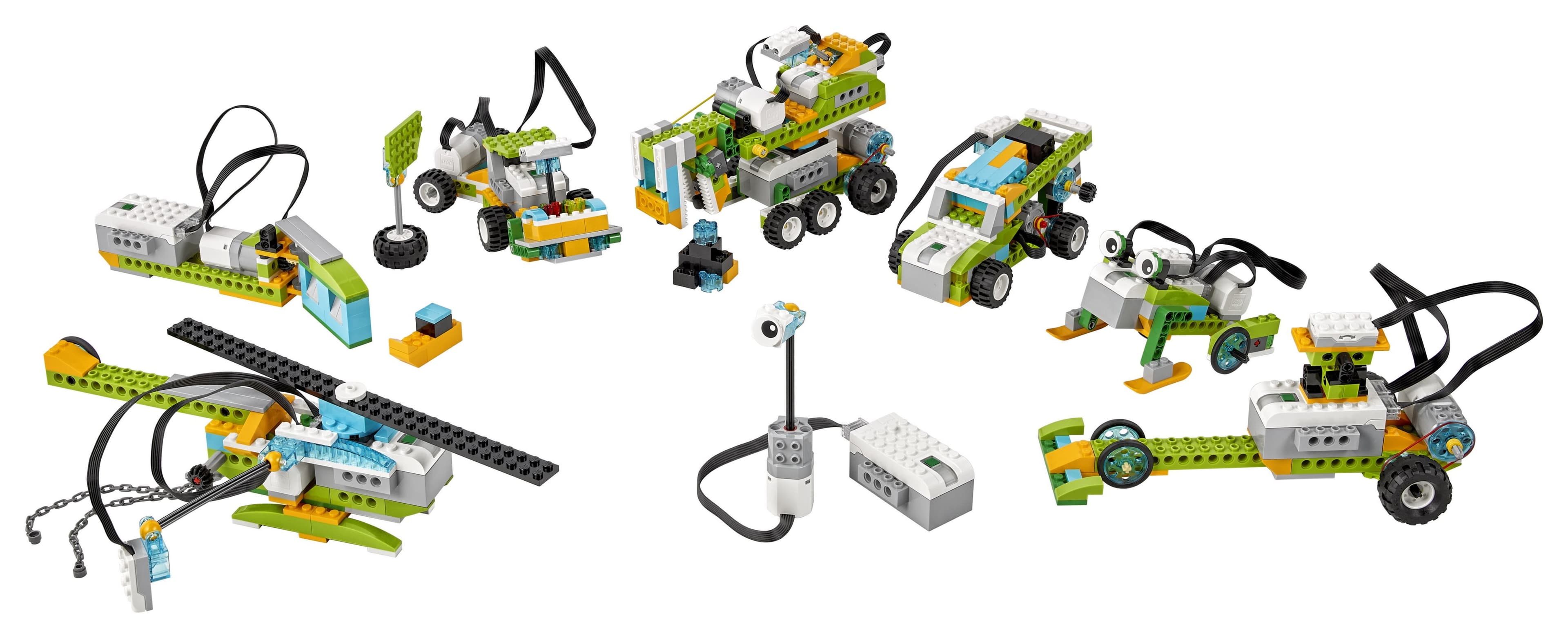
Robotics
Getting Started with LEGO Robotics: A Parent's Guide
Which LEGO robotics kit makes sense for your child's age, what they will actually build with it, and how to help even if you have never coded before.
Read
Math
Math Games That Make Learning Fun
Six low-prep games we use to practice number sense, fractions, and mental math, no worksheets required. For grades 2 through 5.
Read
Engineering
The Engineering Behind a Soccer Ball
Shape, air pressure, panel design, and materials all affect how a soccer ball rolls, bounces, and curves through the air.
Read
AI
Why AI Sometimes Gets Things Wrong
AI makes confident predictions based on patterns, but those predictions can be wrong. Learn what hallucinations are and how to fact-check what AI tells you.
Read
Science
5 Easy Science Experiments You Can Do at Home
Five experiments using things you already have at home, like vinegar, raisins, and paper towels, with the science behind each one explained simply enough to talk about afterward.
Read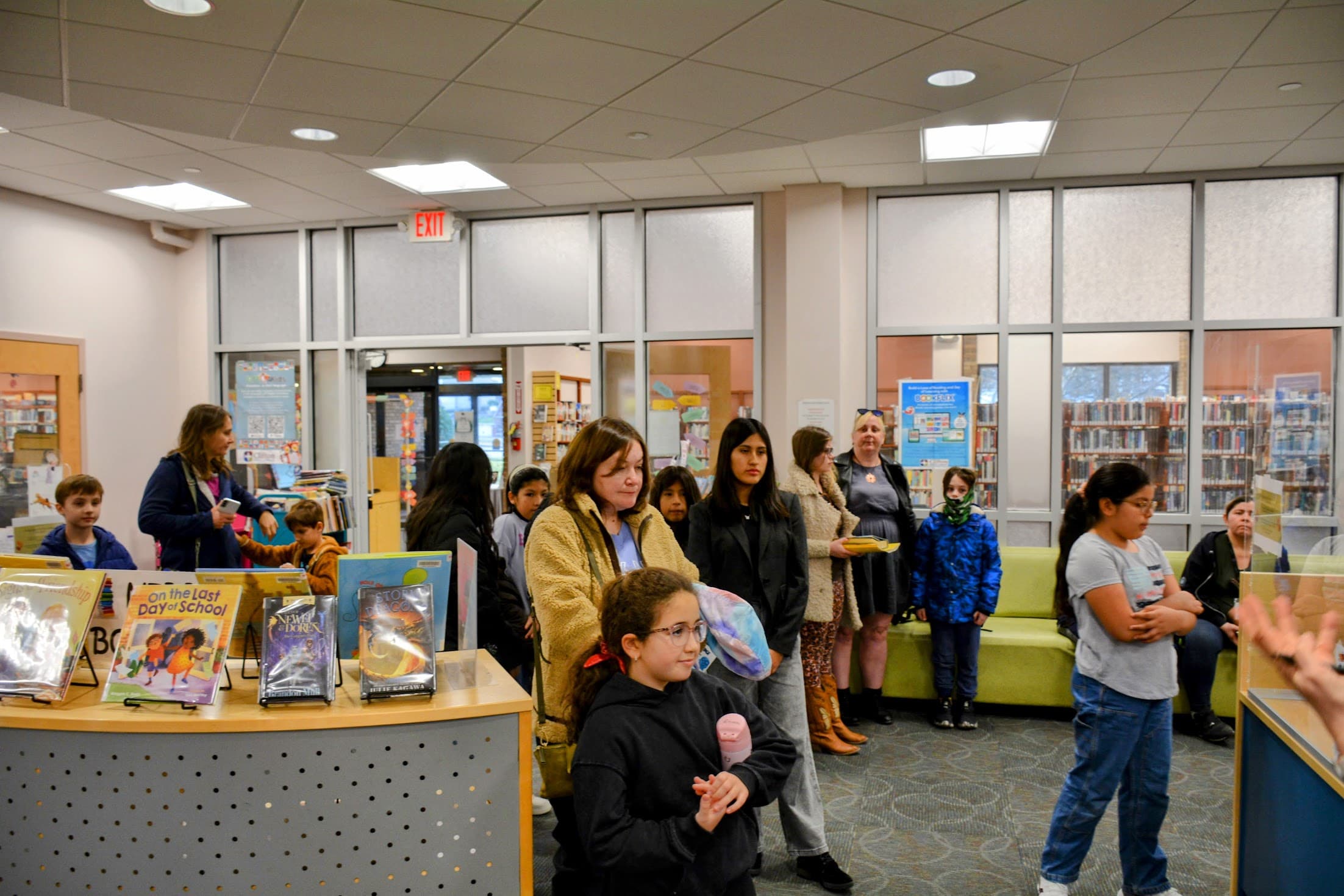
Community
Building a Community: How Local STEM Workshops Change Lives
What a typical Avanza STEM session at the library looks like, and why we think libraries are the right place to run them.
Read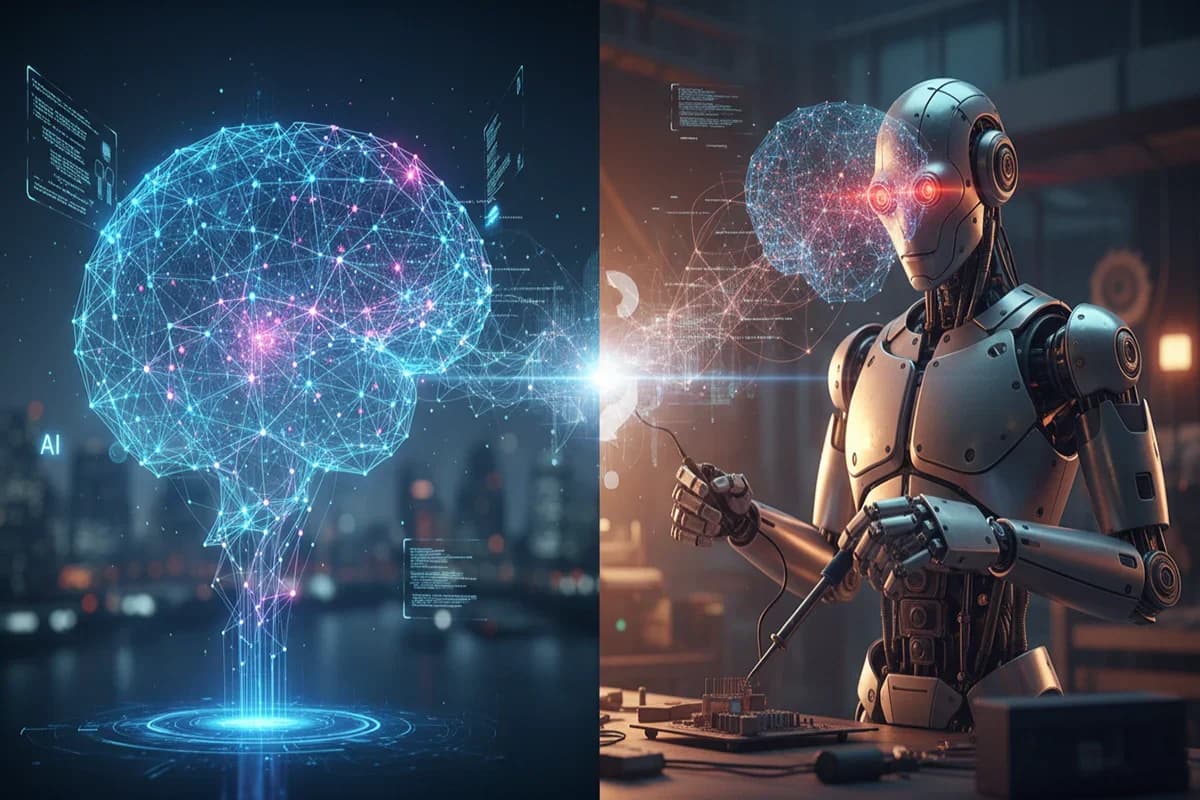
AI
Is a Robot the Same Thing as AI?
A robot is a physical machine. AI is software that makes decisions. They can work together but they are different. Learn what sensors, motors, and AI each do.
Read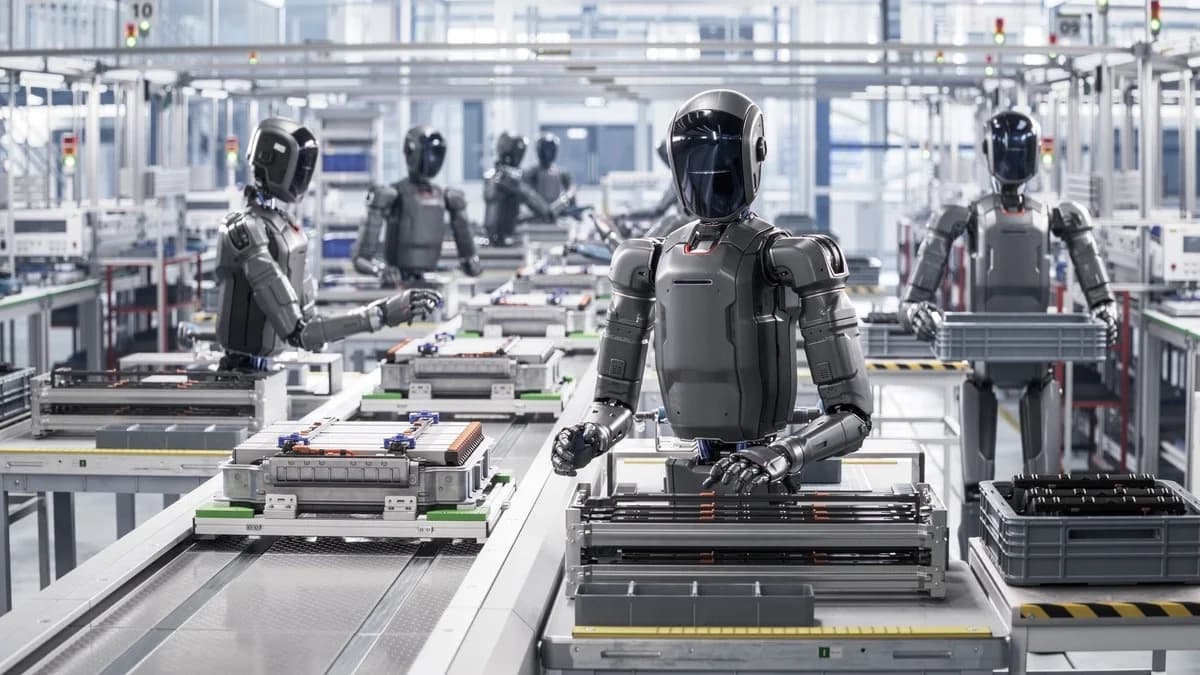
Robotics
What Makes a Robot a Robot?
A robot senses the world, makes decisions, and takes action. Learn the three parts every robot has and why robots do not need to look like people.
Read
Engineering
How Elevators Know Where to Go
Elevators use buttons, sensors, motors, counterweights, and control logic to move people safely behind every simple button press.
Read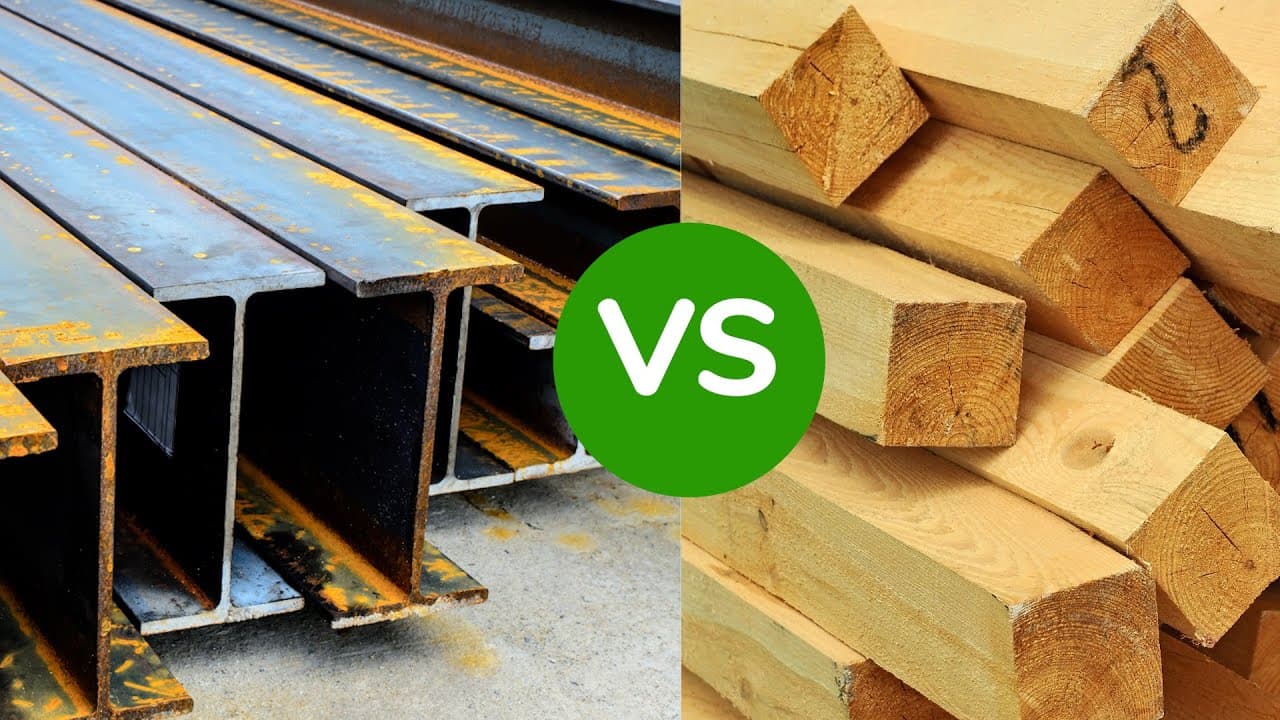
Science
Why Does Metal Feel Colder Than Wood?
Metal and wood can be the same temperature, but metal often feels colder because it pulls heat from your hand much faster.
Read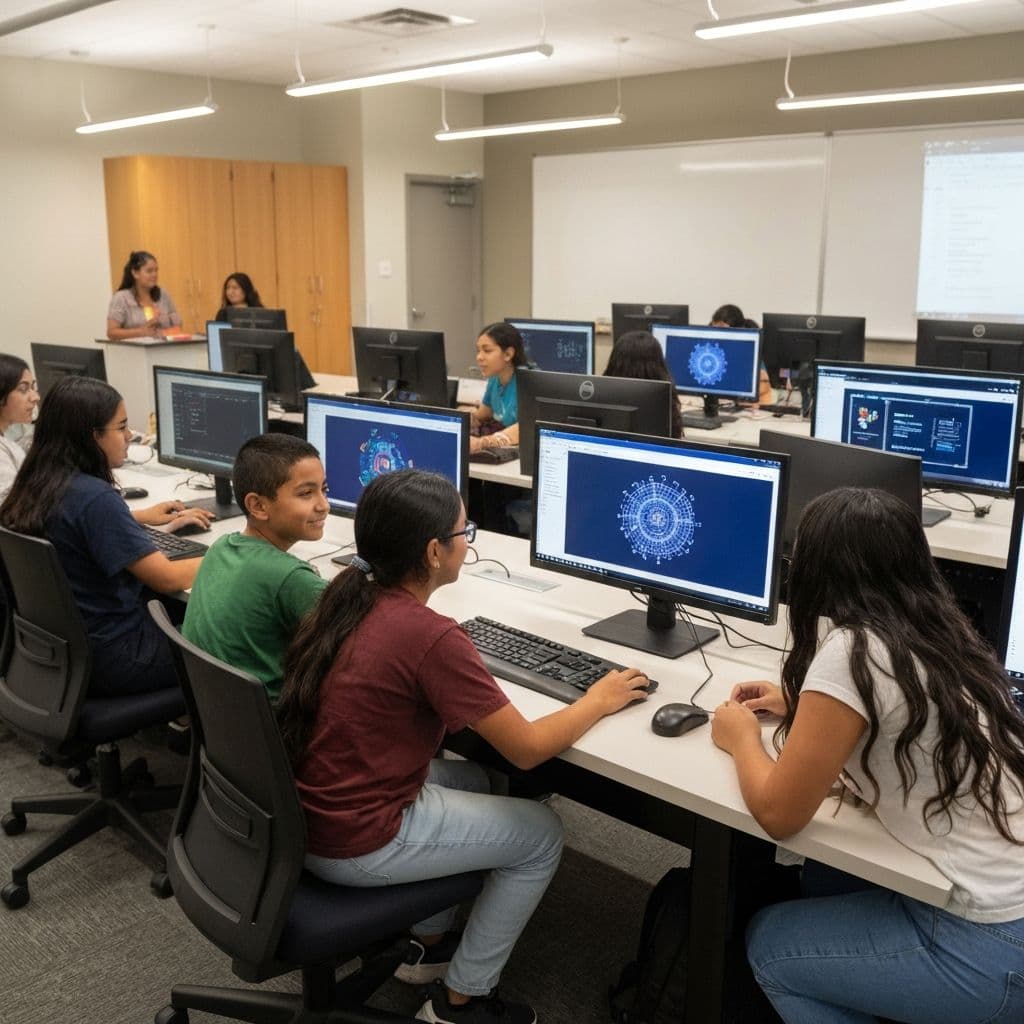
AI
What is AI? Explaining Artificial Intelligence to Kids
A plain-language way to talk with kids about how AI learns, what it gets wrong, and a hands-on activity you can try together in about 10 minutes.
Read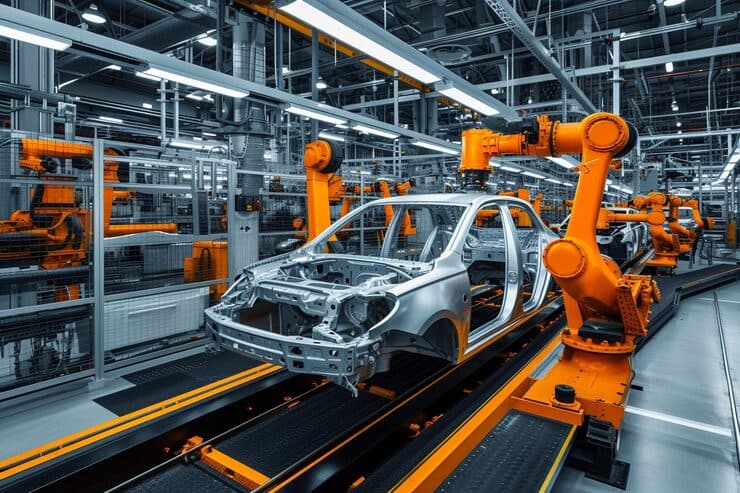
Robotics
How Factory Robots Build Cars
Factory robots weld, paint, and move car parts with precision. Learn how robotic arms are programmed, kept safe, and used alongside human workers on the assembly line.
Read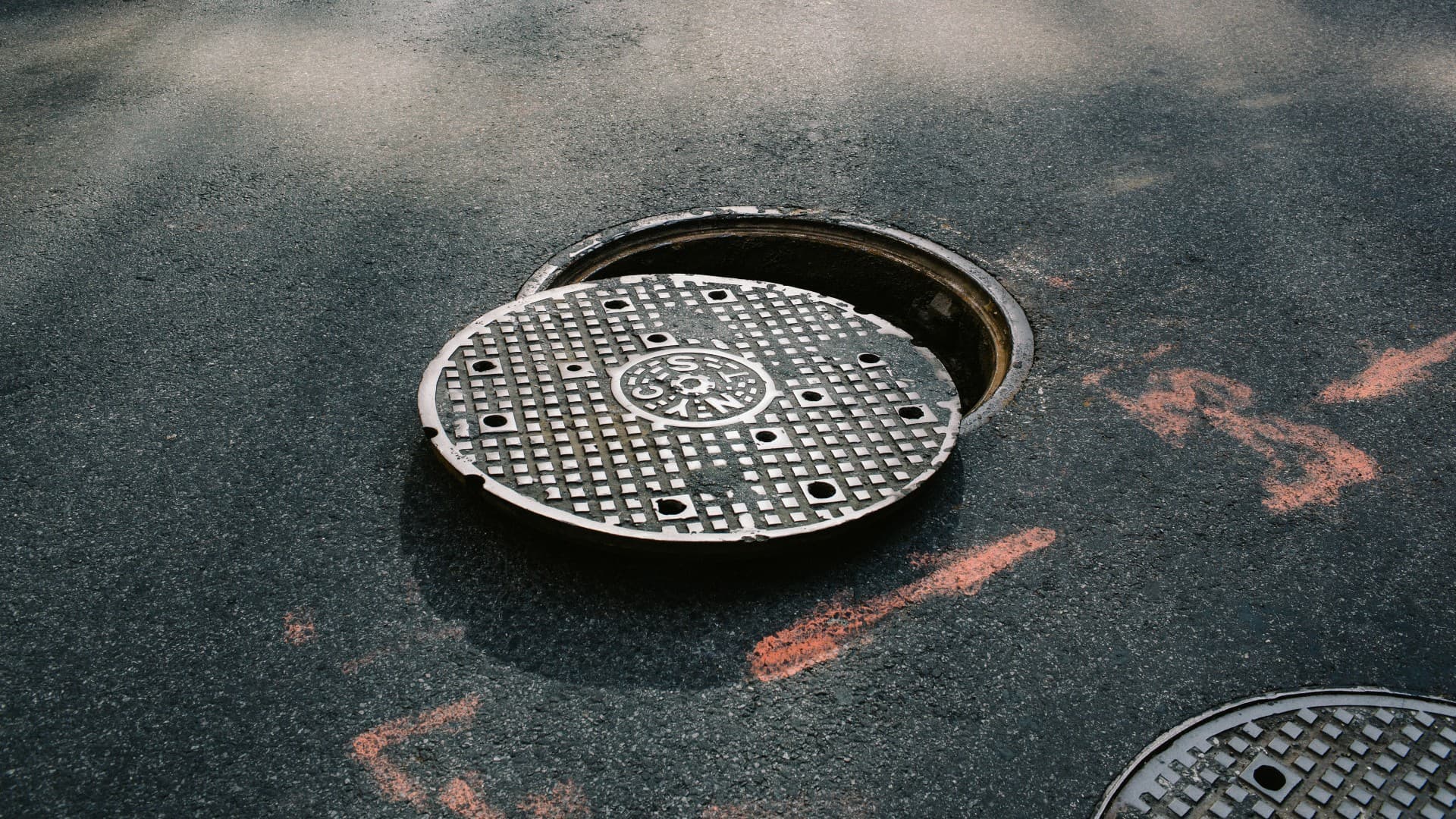
Engineering
Why Are Manhole Covers Round?
Manhole covers are round because the shape is safe, strong, easy to move, and impossible to drop through the hole. One design solves many problems.
Read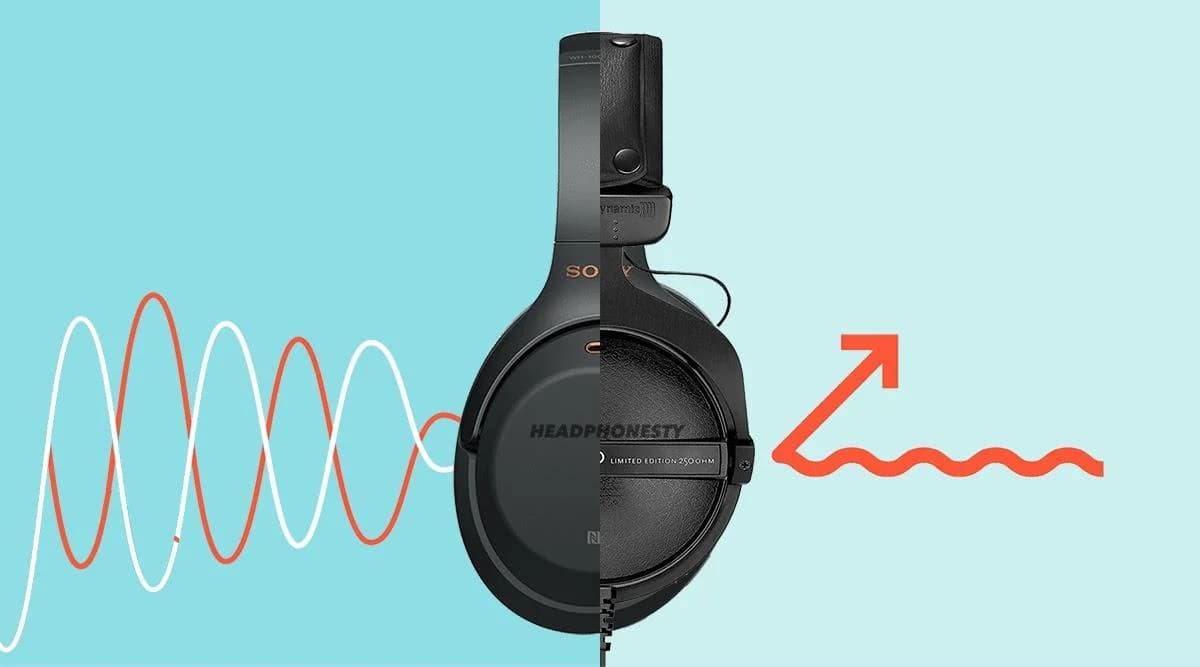
Science
How Do Noise-Canceling Headphones Work?
Noise-canceling headphones use microphones, speakers, and sound waves to reduce unwanted noise before it reaches your ears.
Read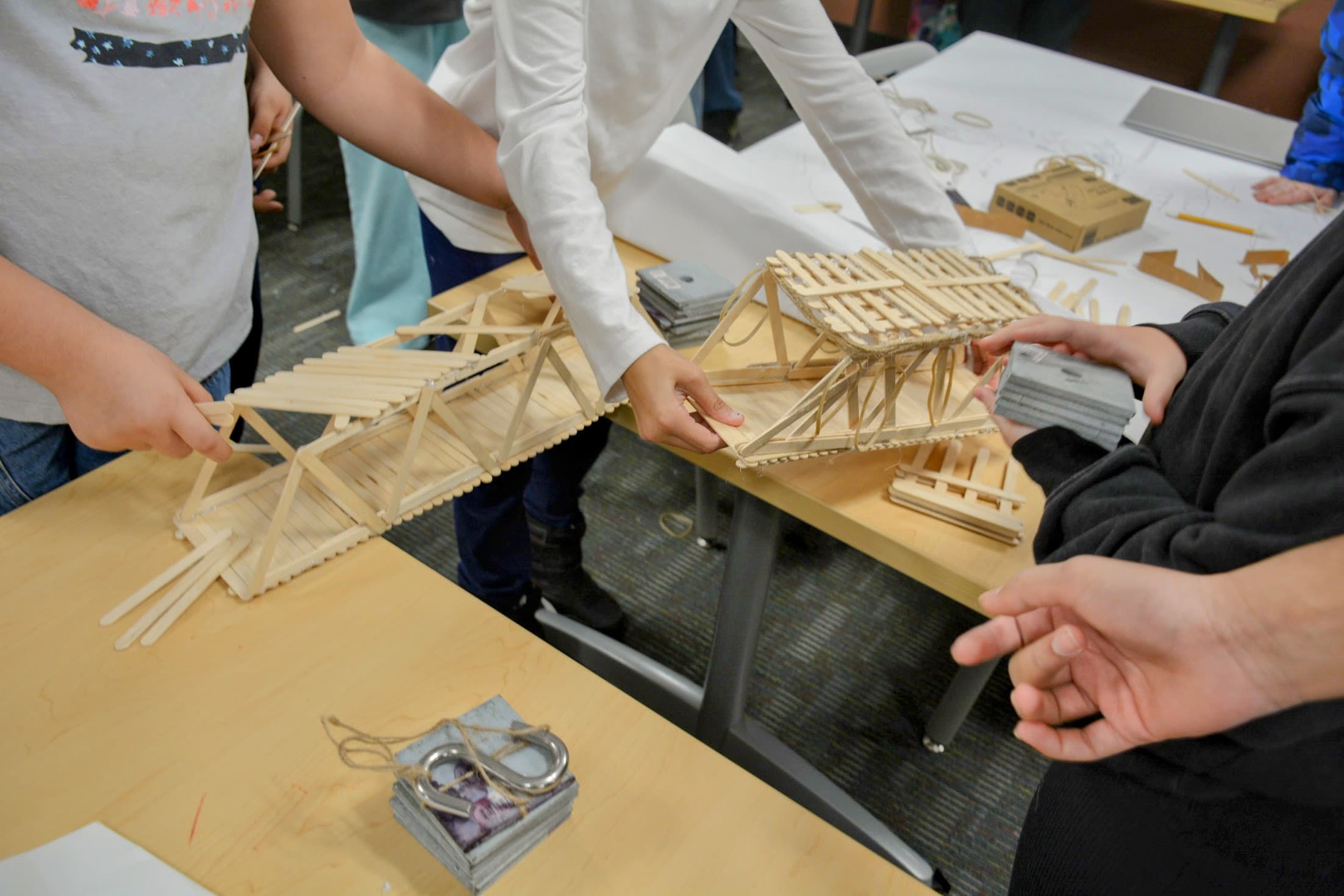
Engineering
Why Your First Design Is Usually Not Your Best One
A bridge test can show students what their first design missed and what they would improve next.
Read
Robotics
Why Robots Are Bad at Easy Human Tasks
Folding laundry and opening doors are simple for humans but hard for robots. Learn why everyday tasks challenge robots and what that tells us about human ability.
Read
AI
What Is AI Actually Doing When It Answers You?
When an AI responds, it is not searching the internet or looking up stored facts. Here is what is actually happening, and why it can sound right while being wrong.
Read
Science
Why Do Some Things Float and Others Sink?
Floating and sinking depend on density, shape, weight, and how much water an object pushes out of the way.
Read
Engineering
Design a Mars Rover Out of Cardboard
A hands-on engineering challenge: design and build a cardboard Mars rover with the same constraints real space engineers face.
Read
AI
What Happens When You Ask AI a Question?
Between your question and the answer, AI is running through a process of prompts, training, and prediction. Here is how it works, step by step.
Read
Science
Why Do We Slip on Ice?
Ice is slippery because it has low friction, and a thin layer of water can make it even harder for your shoes to grip.
Read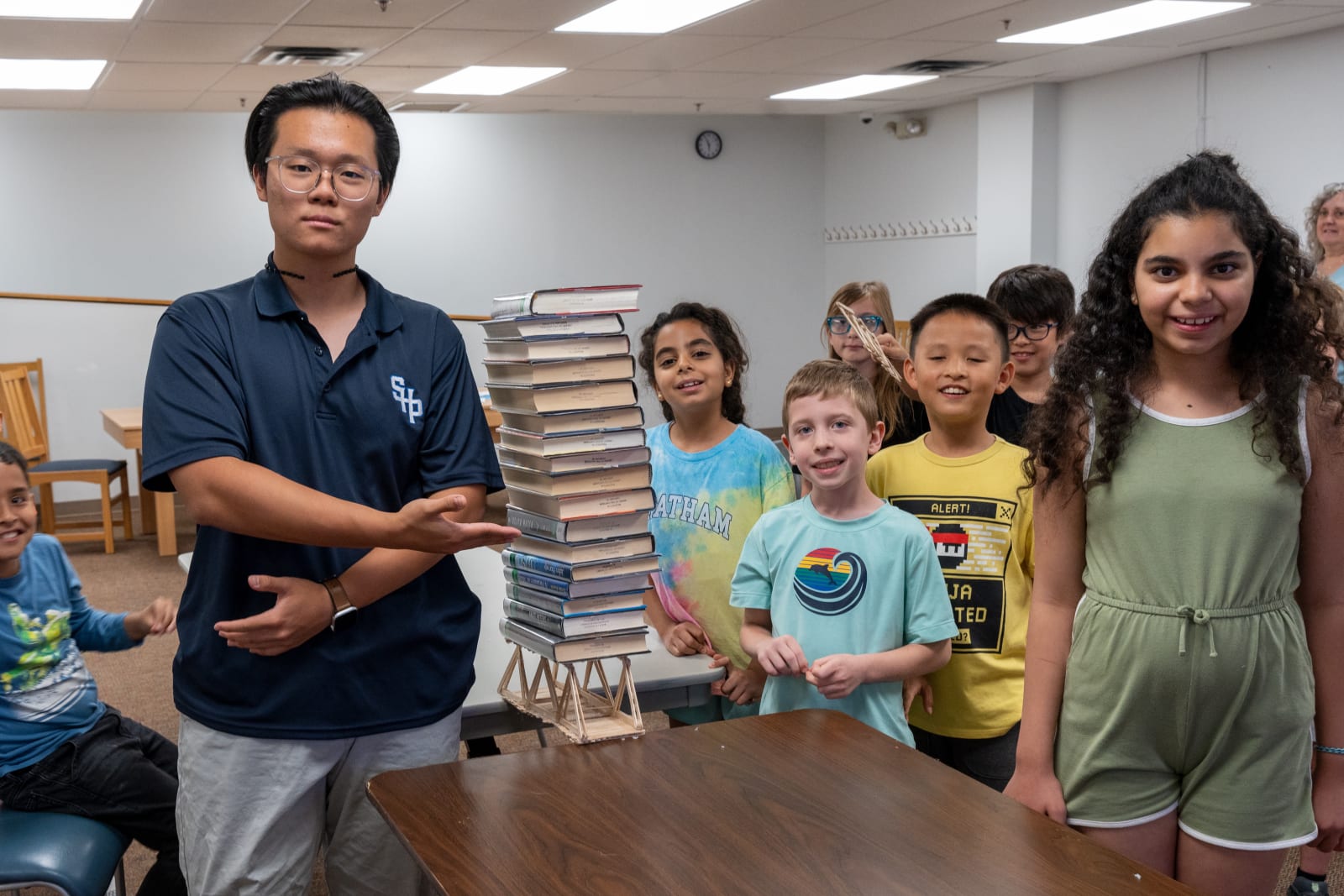
Engineering
How to Build the Strongest Popsicle Stick Bridge
A simple bridge challenge we use in workshops, plus the design choices that actually make a bridge stronger.
Read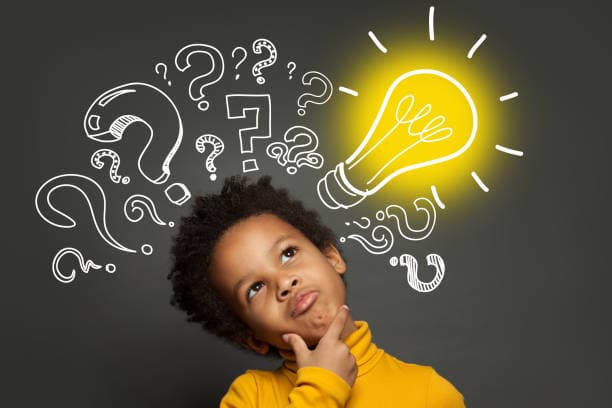
Engineering
How to Think Like an Inventor in 20 Minutes
A design challenge you can try right now: find a small problem, sketch a fix, build a rough prototype, and test it. The whole loop takes about 20 minutes.
Read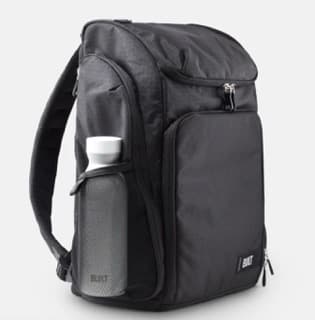
Engineering
The Engineering of a Backpack
Straps, zippers, fabric, and pockets are all engineering decisions. Here is the design thinking behind the thing you carry to school every day.
Read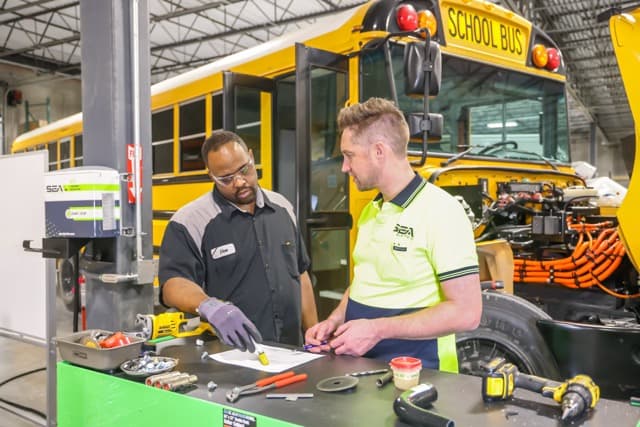
Engineering
The Secret Engineering Inside a School Bus
A school bus is packed with engineering decisions. Learn how the color, seats, mirrors, and emergency exits all work together to move kids safely.
Read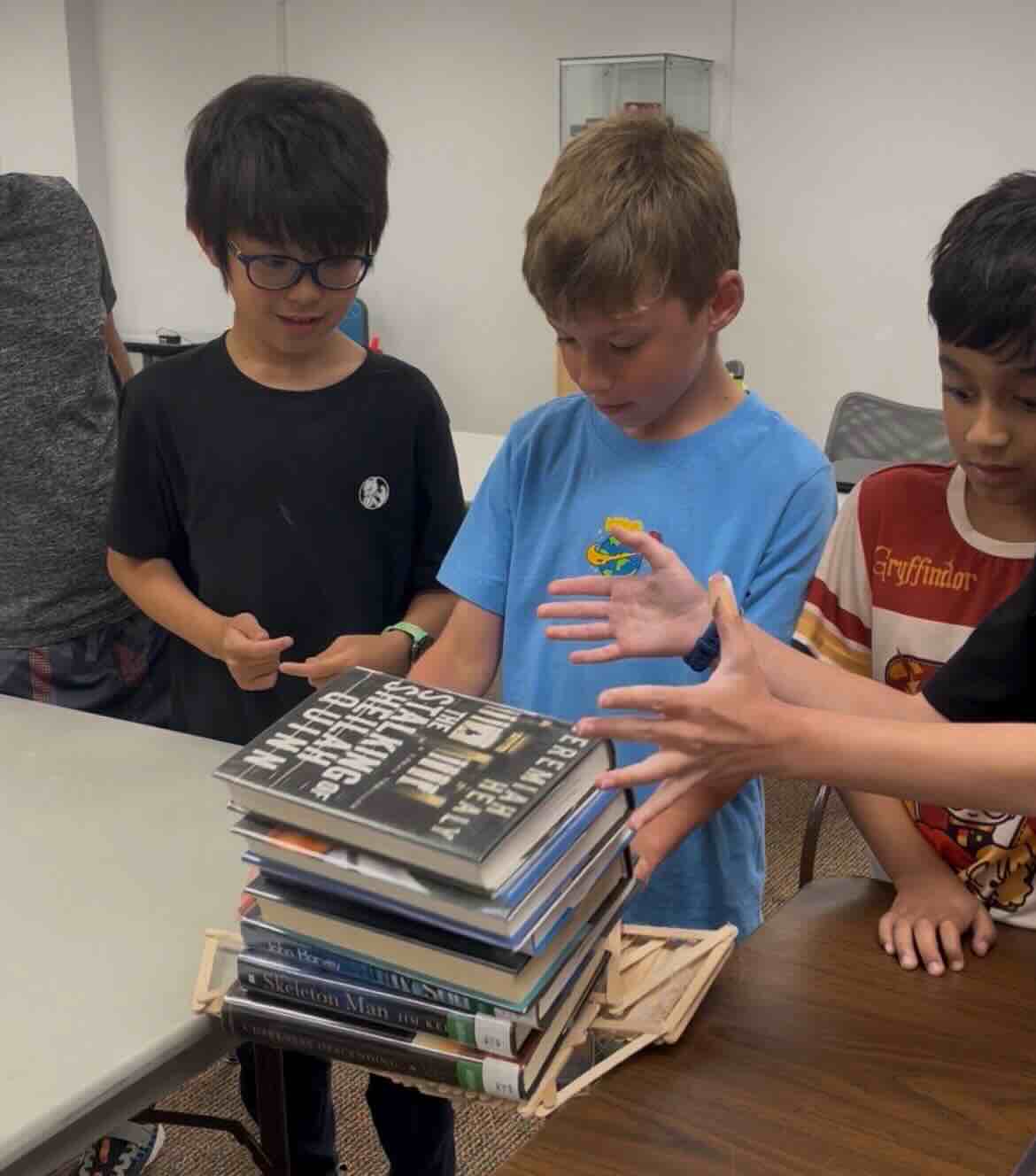
Engineering
How Engineers Think When Something Breaks
A structure that breaks tells you exactly where the weak point is. Here is the thinking process that turns a failed build into a stronger second attempt.
Read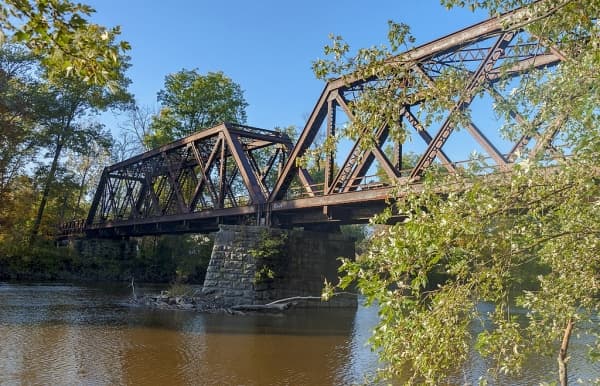
Engineering
Why Triangles Are an Engineer's Secret Weapon
The triangle is the strongest shape in engineering. Here is why it shows up in every bridge, tower, and truss, plus what that means for your popsicle stick bridge.
Read