6-week science course
Science Experiments
Six weeks of hands-on experiments where students learn to think like scientists and engineers - asking questions, testing ideas, and explaining what they find.
- Ages
- Grades 2-4
- Length
- 6 weeks
- Per week
- 45-60 minutes
- You need
- Kitchen supplies
No lab, no computer, and no science background needed.
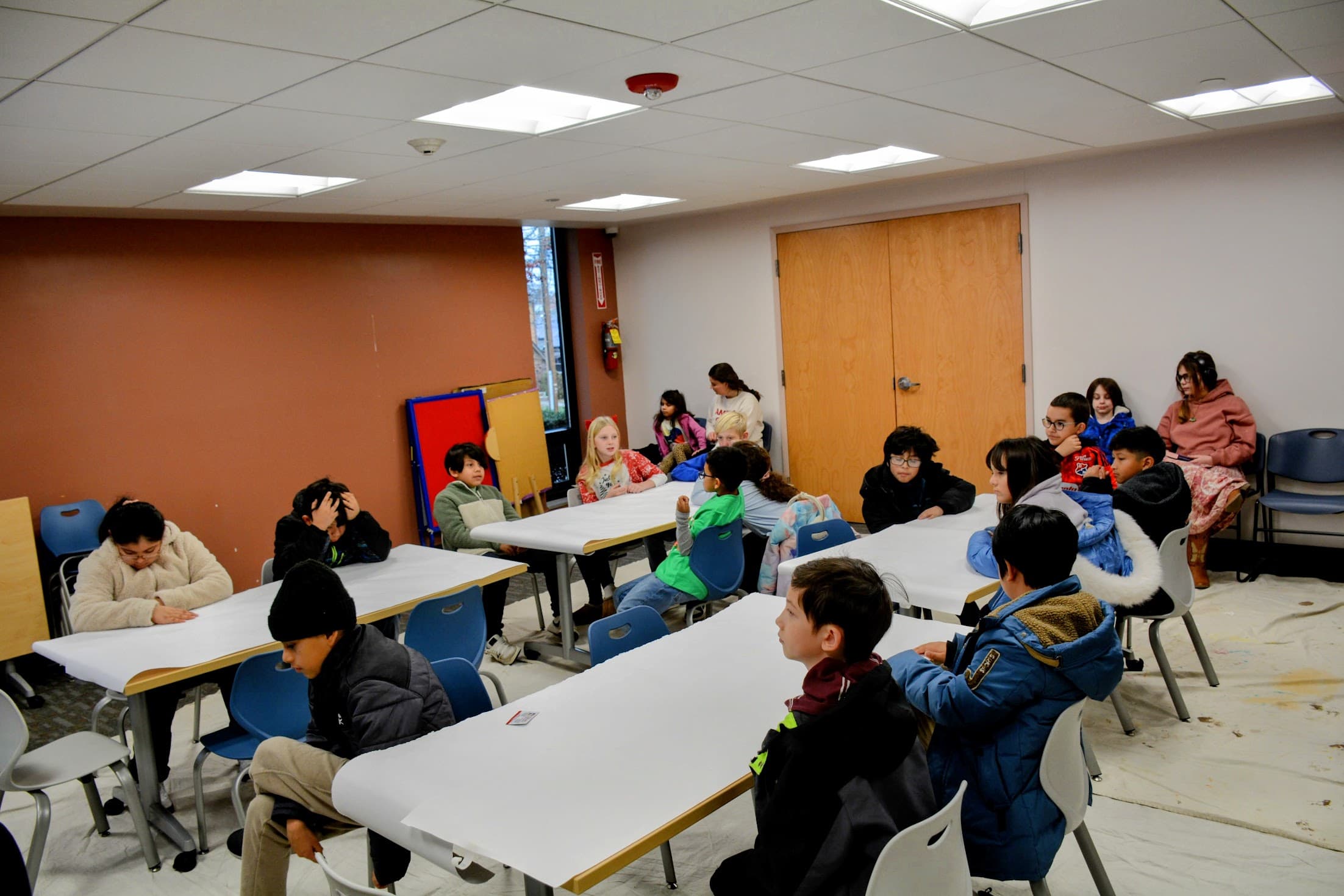
Every week is one real experiment you can run on a kitchen table.
See it first
The kind of science you'll be doing
Real reactions, real messes, real results - not worksheets. These are experiments from Avanza sessions and projects that pair with the course.
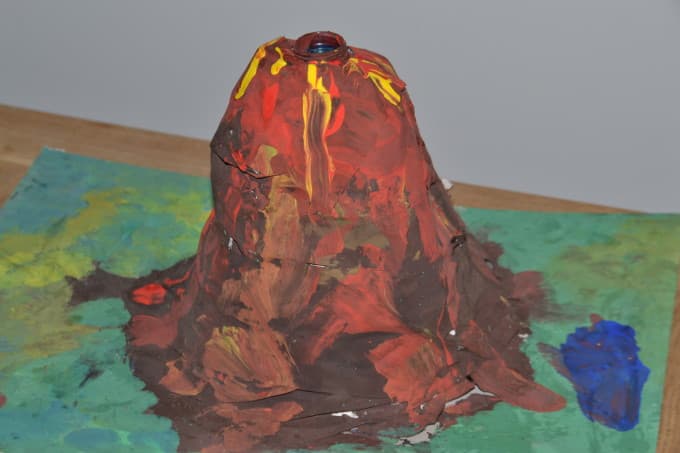
Week 2 chemistry: mix two safe ingredients and watch a brand-new gas appear.

Week 3 matter: a goo that acts solid when you hit it and liquid when you let go.
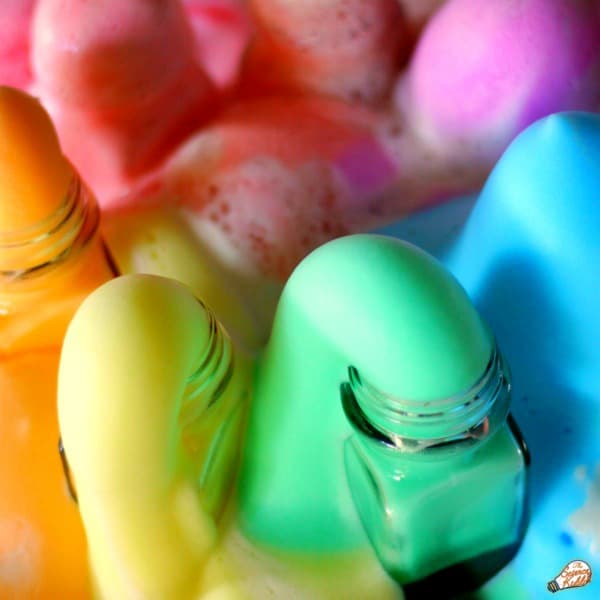
Reactions can be fast, foamy, and completely explainable once you know why.
What this course is for
Kids stop guessing and start investigating
Students learn science the way scientists actually work: they start with a question, make a prediction, run a fair test, observe carefully, explain what happened with evidence, and then improve their test or design. Each week is one experiment built from cheap, everyday materials - paper, baking soda, ice, a toy car, seeds - paired with one big science idea. The course builds from how scientists and engineers think, through chemistry, matter, forces, and machines, and finishes with living things and ecosystems.
- Help students see science as something they do, not just read about.
- Build the habit of testing ideas instead of guessing.
- Teach real, accurate science ideas in words a second-to-fourth grader understands.
- Show how scientists and engineers use the same loop to figure things out and make things better.
The method
Every week runs on the same loop
This is the loop real scientists use. Nobody aims for a perfect first try - you predict, test, see what happens, and improve.
Ask
Start with a real question about what will happen.
Predict
Make a smart guess and write it down before you test.
Test
Run a fair test, changing only one thing at a time.
Observe
Watch closely and record what really happens.
Explain
Use your evidence to say why it happened.
Improve
Change something and test again to learn more.
The path
6 weeks, 6 big questions
Each week opens with a question, answers it with one hands-on experiment, and ends with what you figured out. Work at your own pace - your progress saves on this device.
- Open→
Week 1
Think Like a Scientist and Engineer
How do scientists and engineers figure out what is true and make their ideas better?
- Experiment
- Paper Helicopter Drop Test
- Main idea
- Scientists ask questions, make predictions, test their ideas, observe the results, and use evidence to explain what they find.
- Open→
Week 2
Chemical Reactions
What happens when two things mix together and make something brand new?
- Experiment
- Balloon Gas Reaction
- Main idea
- Some mixtures do not just sit together - they react and make something new.
- Open→
Week 3
States of Matter and Materials
Why do some things stay cold longer than others?
- Experiment
- Ice Melt Insulation Challenge
- Main idea
- Matter can be a solid, a liquid, or a gas.
- Open→
Week 4
Forces, Motion, and Friction
What makes things speed up, slow down, or stop?
- Experiment
- Ramp Racer Surface Test
- Main idea
- A force is a push or a pull.
- Open→
Week 5
Simple Machines, Structures, and Stability
How can simple tools and smart shapes help us do hard jobs?
- Experiment
- Mini Machine or Tower Challenge (pick one)
- Main idea
- Simple machines make work easier.
- Open→
Week 6
Life Science and Ecosystems
What do living things need to grow and survive?
- Experiment
- Seed Growth Lab
- Main idea
- Living things need water, air, light, space, and the right environment to survive.
By the end
What your kid can do after six weeks
Over six weeks you did real science. You made a helicopter fall slowly, filled a balloon with gas you made yourself, kept ice frozen longer, raced a car down a ramp, built a machine or a tower, and grew a living thing. Every time, you used the same loop: you asked a question, made a prediction, ran a fair test, observed closely, explained your results with evidence, and improved your work. That loop is what scientists and engineers use every day - and now you can use it on any question you have.
- Ask a science question and make a prediction before testing.
- Run a fair test by changing only one thing at a time.
- Observe carefully and record results with words, numbers, or drawings.
- Use evidence to explain why something happened.
- Improve a test or a design after seeing the results.
- Explain a chemical reaction, states of matter, forces and friction, simple machines, and what living things need.
Shopping list
Everything you need, week by week
All of it is common and low-cost, and you only need a small handful for any single week - so gather as you go rather than buying it all up front.
Week 1
Think Like a Scientist and Engineer
- 2 sheets of paper
- Scissors
- A ruler
- A few paper clips
- A timer or phone stopwatch
- A safe spot to drop from, like standing next to a chair (with an adult)
Week 2
Chemical Reactions
- 1 tablespoon of baking soda
- About half a cup of white vinegar
- A balloon
- An empty plastic water bottle
- A small funnel, or a piece of paper rolled into one
- A measuring spoon
Week 3
States of Matter and Materials
- 3 or more ice cubes that are the same size
- Small cups or containers, one per material
- Materials to test: foil, cotton or a sock, a paper towel, foam or a plastic bag
- A plate or tray to catch melt water
- A timer
Week 4
Forces, Motion, and Friction
- A toy car or anything that rolls
- A board or piece of stiff cardboard for a ramp
- A few books to prop the ramp up
- A tape measure or ruler
- Surfaces to test: bare floor, a towel, sandpaper, and foil
- Tape to hold surfaces flat
Week 5
Simple Machines, Structures, and Stability
- For a machine: a ruler and a pencil for a lever, or a spool and string for a pulley
- Small weights to lift, like a stack of coins or a small toy
- For a structure: index cards, straws, or craft sticks
- Tape
- A ruler
- Coins or washers to test how much weight it holds
Week 6
Life Science and Ecosystems
- A few dried beans or fast-growing seeds
- Clear cups or resealable plastic bags
- Paper towels
- Water
- A sunny windowsill and a dark spot like a cupboard
- A notebook to record what you see each day
Good to know
Before you start
Safety, in plain language
These experiments are safe, and a few habits keep them that way. Each week adds its own specific notes on the lesson page.
- An adult should be nearby for every experiment.
- Never taste or eat experiment materials, even food items like baking soda or seeds.
- Keep liquids away from faces and eyes, and wipe up spills right away so no one slips.
- Wash hands after each experiment.
- Carry and pass scissors with the handle first, and keep them on the table.
- Wear safety goggles if you have a pair, especially for the vinegar reaction.
- Use only safe, everyday household materials.
An adult should be nearby
For grown-ups
You do not need a science background
Your job is not to have the answers. It is to set out the materials and ask good questions - here is what makes each week go smoothly.
- Skim the week ahead of time and set out the small list of materials before you start.
- Have your kid write a prediction before they test. Being wrong is useful information, not a mistake.
- Ask "what did you notice?" and "why do you think that happened?" instead of giving the answer.
- Plan about 45-60 minutes per week. The seed lab in week 6 also needs a quick daily check-in.
- Do the experiments together and keep water, vinegar, and scissors supervised.
- Progress saves in this browser. There is no account, no sign-in, and nothing to pay for.
Finish line
Finishing the course
After week 6
You think like a scientist and an engineer
Over six weeks you did real science. You made a helicopter fall slowly, filled a balloon with gas you made yourself, kept ice frozen longer, raced a car down a ramp, built a machine or a tower, and grew a living thing. Every time, you used the same loop: you asked a question, made a prediction, ran a fair test, observed closely, explained your results with evidence, and improved your work. That loop is what scientists and engineers use every day - and now you can use it on any question you have.
Work through all six weeks, then come back here for your course reflection.
Look back and reflect
- Which experiment surprised you the most, and why?
- Which prediction turned out to be wrong? What did being wrong teach you?
- Where in your everyday life have you seen one of these science ideas?
- If you could redo one experiment to test something new, what would you change?
Keep exploring
- Pick your favorite week and design a brand-new fair test for it.
- Teach one experiment to a family member and explain why it happens.
- Start a science notebook and write down questions you want to test next.
- Try one of the related projects, like building a baking-soda volcano.
Ready to run the first experiment?
Start with Think Like a Scientist and Engineer and the Paper Helicopter Drop Test, then work through all six weeks at whatever pace fits your week.