Math
Receipt Detective
Take one real grocery receipt, work out the cost per unit of everything that comes in more than one size, and find the three places your family is overpaying.
Medium · 1 hour
Introduction
The price on the shelf is not really the price you are paying. The price you are paying is the price per ounce, and the store almost never puts that part in big letters.
One receipt, a calculator, and about an hour is enough to find it. By the end you will have a one-page recommendation with real numbers behind it, about money your family actually spends.
The Why
Cost per unit is a unit rate, and unit rates are the hardest idea in elementary math to care about, because they normally arrive as a worksheet with no consequences attached. Here the answer changes what gets bought. Dividing price by size to compare two things that come in different sizes is the same operation whether you are comparing cereal boxes, phone plans, or how far a car goes on a tank, and once you have done it for real it stops being abstract.
Step-by-Step Instructions
- 1
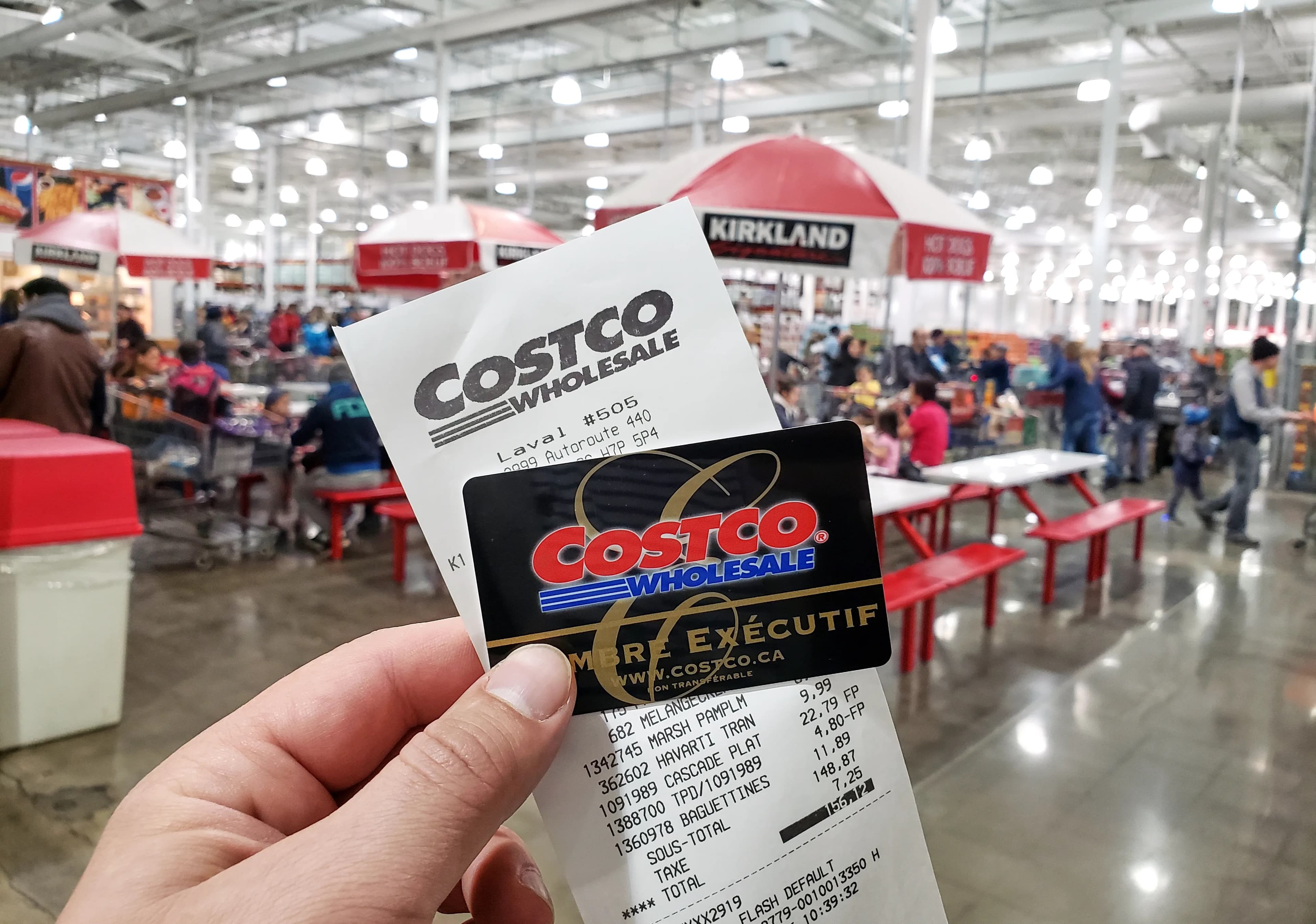
Ask for a receipt and for permission to use it. Copy every item onto your sheet along with what it cost.
- 2
Cross off anything that only comes in one size, like a single avocado. You need items where a bigger or smaller version exists on the shelf.
- 3
For each item left, find the size printed on the package: ounces, grams, milliliters, or a count like 12 rolls. Write that size beside the price.
- 4
Divide price by size for each one. That number is the cost per unit, and it is the only fair way to compare two different sizes of the same thing. Round to the nearest cent.
- 5
Look up the price of the other size for three of your items, either online or on the next trip to the store, and work out the cost per unit for those too.
- 6
Compare. Find the three items where the size your family bought costs more per unit than the other size that was available.
- 7
Write a one-page recommendation: the three items, the cost per unit for each size, what the difference adds up to over a year, and one sentence on when buying the smaller size is still the right call.
Cost Per Unit Worksheet
One row per item. Divide price by size to fill the last column, and round to the nearest cent.
| Item | Price | Size (oz / g / count) | Cost per unit |
|---|---|---|---|
| Row 1, Item | Row 1, Price | Row 1, Size (oz / g / count) | Row 1, Cost per unit |
| Row 2, Item | Row 2, Price | Row 2, Size (oz / g / count) | Row 2, Cost per unit |
| Row 3, Item | Row 3, Price | Row 3, Size (oz / g / count) | Row 3, Cost per unit |
| Row 4, Item | Row 4, Price | Row 4, Size (oz / g / count) | Row 4, Cost per unit |
| Row 5, Item | Row 5, Price | Row 5, Size (oz / g / count) | Row 5, Cost per unit |
| Row 6, Item | Row 6, Price | Row 6, Size (oz / g / count) | Row 6, Cost per unit |
| Row 7, Item | Row 7, Price | Row 7, Size (oz / g / count) | Row 7, Cost per unit |
| Row 8, Item | Row 8, Price | Row 8, Size (oz / g / count) | Row 8, Cost per unit |
| Row 9, Item | Row 9, Price | Row 9, Size (oz / g / count) | Row 9, Cost per unit |
| Row 10, Item | Row 10, Price | Row 10, Size (oz / g / count) | Row 10, Cost per unit |
| Row 11, Item | Row 11, Price | Row 11, Size (oz / g / count) | Row 11, Cost per unit |
| Row 12, Item | Row 12, Price | Row 12, Size (oz / g / count) | Row 12, Cost per unit |
Compare like with like only: cost per ounce of cereal against cost per ounce of cereal, never against cost per ounce of milk.