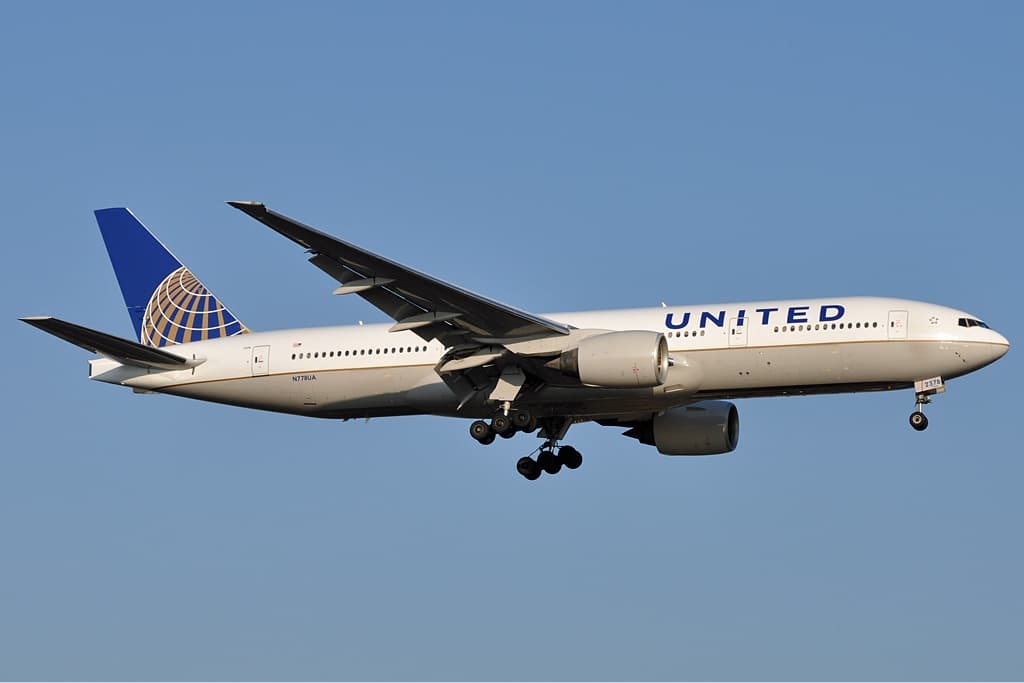
Wings have maybe the wildest job in all of engineering. A Boeing 777 weighs around 300,000 pounds fully loaded, and two wings talk it into the sky. Sit with that for a second. How does something that heavy get off the ground?
Most of the answer is hiding in the shape.
Wings Are Not Flat
Look at a wing from the side sometime. It is not a flat board. The top curves up and over while the bottom stays much flatter. Engineers call that shape an airfoil, and it exists for one reason: to mess with air in a very specific way.
As the plane pushes forward, air splits and flows around the wing. That shape leaves the air above the wing at lower pressure than the air below it. Higher pressure underneath, lower pressure on top, and the wing gets shoved upward. That shove is lift.
Lift Is Not Magic
Lift is not one clever trick, and it is definitely not magic. A wing works because it changes where air goes. Slice through the sky and the wing throws a bunch of air downward. Newton's third law says every action gets an equal and opposite reaction, so if the wing shoves air down, the air shoves the wing up. Two things are happening at once:
- 1
It creates a pressure difference
Air moving over the curved top goes faster, and the pressure up there drops below the pressure underneath.
- 2
It throws air downward
The wing redirects the airflow toward the ground, and the reaction pushes the plane toward the sky.
Why Does the Plane Need Speed?
A plane parked on the runway is not going anywhere, no matter how good its wings are. Wings need air rushing past them to do anything at all. Go faster, move more air, get more lift.
That is the whole point of that long sprint down the runway. Engines shove the plane forward, air starts pouring over the wings, and at some exact speed the lift finally beats the weight. Wheels leave the ground.
What About the Flaps?
Watch the wing during takeoff or landing and you will see chunks of it slide out and tilt down. Those are flaps and slats, and they physically change the wing's shape mid-flight to squeeze out more lift at low speed.
That matters because takeoff and landing are exactly when a plane cannot go fast. Nobody wants a jet screaming along at 500 miles per hour near the ground, so engineers gave the wing moving parts instead.
Try This: Paper Wing Test
Grab two sheets of paper. Fold one into a basic paper airplane, leave the other flat. Throw both the same way. The folded one goes somewhere. The flat one flutters and dies. Same paper, same throw, completely different shape.
Shape Matters
Final Thought
Wings curve because shape controls air, air makes lift, and lift beats gravity. So the next time a plane crosses overhead, do not give all the credit to the engines. Those wings are precision tools, quietly turning moving air into a way off the ground.