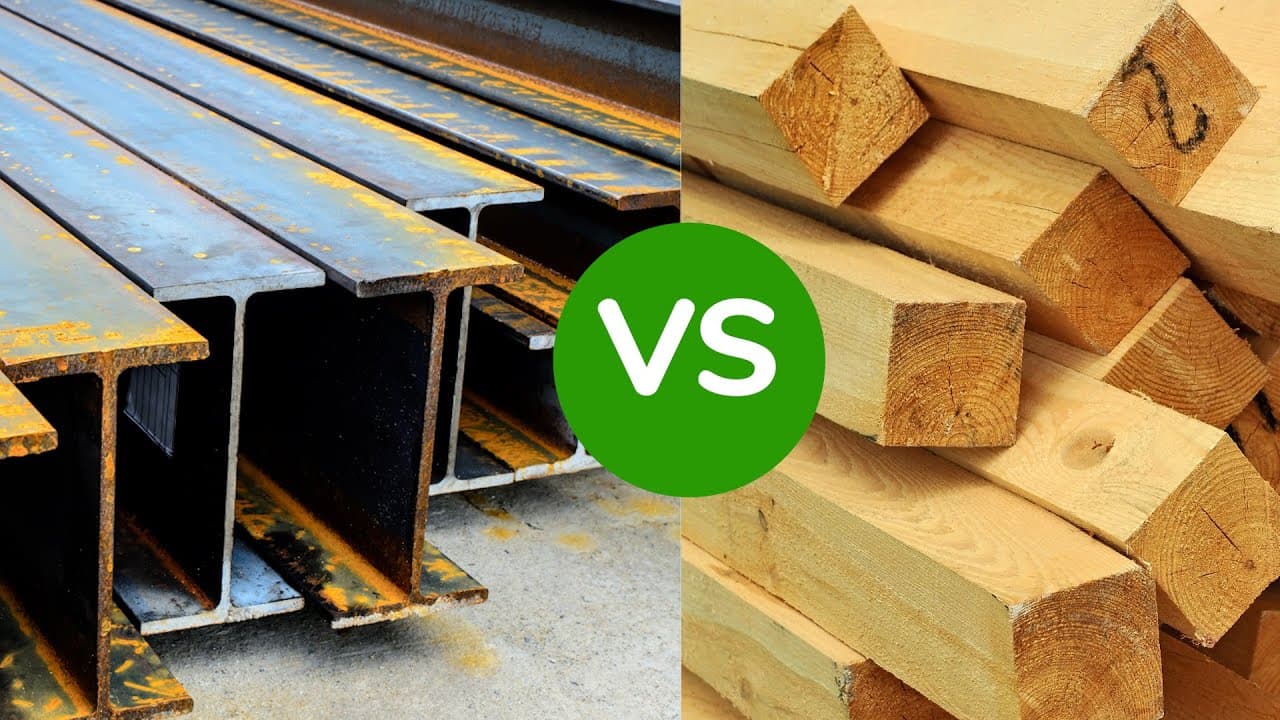
Go touch a metal chair leg, then touch a wooden table in the same room. The metal feels cold. The wood feels almost warm. Now the part that breaks people's brains: they are the same temperature. Both have been sitting in that room all day.
So what are you actually feeling? Not temperature. Speed.
Your Hand Is Warm
You are the hottest thing in most rooms you walk into. Your skin sits around 90°F while the room is closer to 70°F. Touch anything cooler than you and heat immediately starts pouring out of your hand and into that object.
Here is the twist. Your nerves cannot measure an object's temperature. They can only measure how fast heat is leaving your skin. Fast escape, your brain reports cold. Slow escape, your brain shrugs.
Metal Moves Heat Quickly
Metal is a fantastic thermal conductor, which means heat travels through it with almost no resistance. Touch it and your body heat does not just enter the metal, it keeps racing away from the contact point. That spot never warms up, so more heat keeps draining out of you. Your skin cools fast and your brain shouts cold.
Wood is terrible at conducting heat, and in this case terrible is great. Heat crawls into wood and mostly stays put right under your fingers. That little patch warms up to match your hand within seconds, and once it matches, the draining stops. Same temperature as the metal, completely different experience.
Same Temperature, Different Feeling
This is one of the best everyday science tricks there is: what something feels like and what temperature it is are two separate facts. A metal spoon and a wooden spoon sharing the same drawer are identical in temperature. Pick them up back to back and you will swear they are not.
Why Does This Matter in Design?
Engineers use this constantly. A metal pan is great precisely because heat blasts through it from the burner into your food. Unfortunately heat also blasts up the handle, which is why almost every pan has a plastic, rubber, or wooden grip bolted onto the end.
A winter jacket does the opposite job. It traps air, air is lousy at moving heat, and so your body warmth stays with you. Meanwhile a metal slide in July becomes a hazard because metal dumps heat into you just as efficiently as it pulls heat out. A wooden bench in the same sun is fine.
What About Cold Weather?
Grab a metal railing in January and it genuinely hurts. That is not because the metal is colder than the wood next to it. It is because metal strips heat out of your skin so fast that your nerves register it as pain. The metal is not colder. It is just better at robbing you.
The Big Idea
Metal feels colder because it moves heat away from you faster. Wood feels warmer because it does not. So next time you call something cold, know what you are really reporting: not a temperature, but how quickly heat is leaving your hand.
Keep Exploring
Why Do We Slip on Ice?